Julian Dreamed of the Same House for 6 Months — All Because of One Door He Never Opened
Julian Dreamed of the Same House for 6 Months — All Because of One Door He Never Opened
The Case of the Unfamiliar House: An Architect's Recurring Blueprint
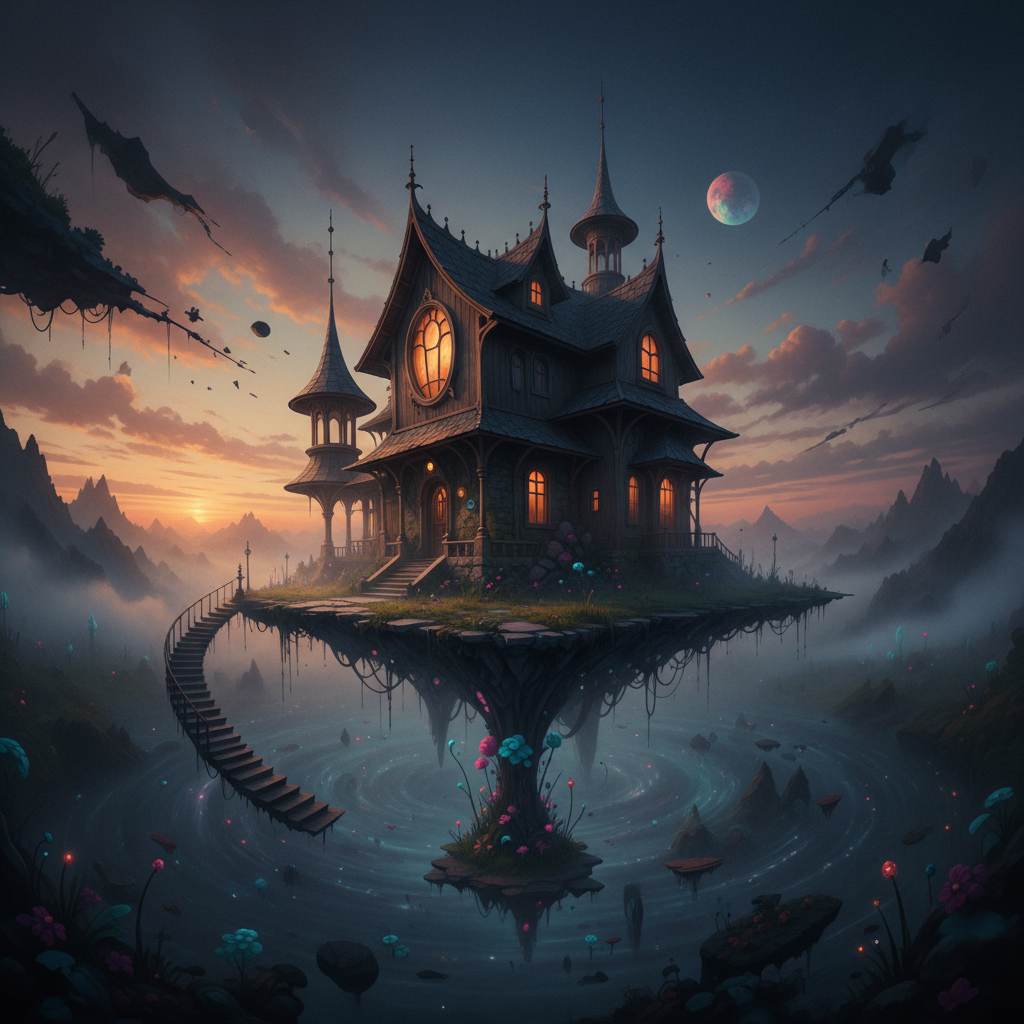
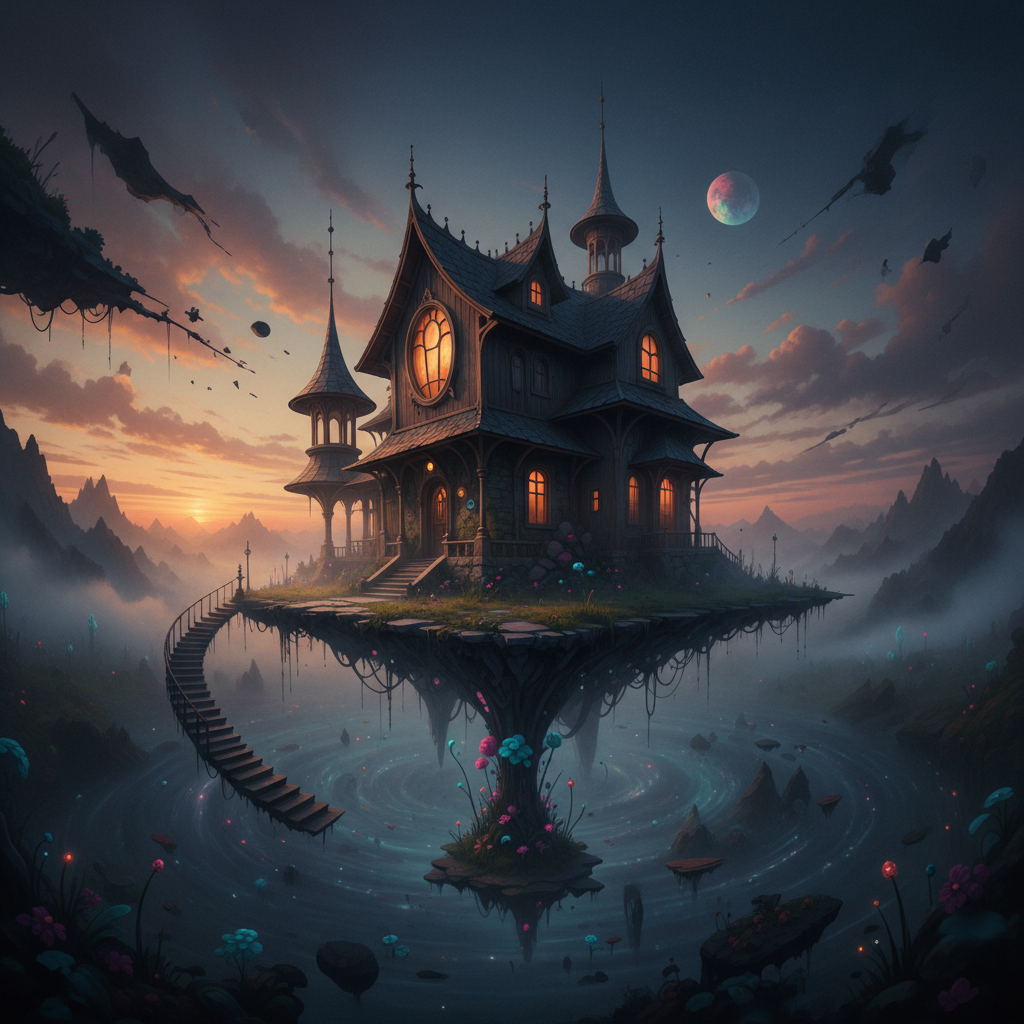
For six months, a software architect named Julian was visited by the same dream. It was a house he had never seen in waking life, yet its geography felt as ingrained as a childhood memory. The house was a sprawling mid-century modern structure, clean-lined and minimalist, yet filled with an unnerving silence. Every night, he would walk the same path: through the open-plan living room, past a kitchen with countertops made of cool, unblemished marble, and up a floating staircase. At the top of the stairs was a single, unmarked door made of dark, heavy wood. In every dream, he would reach for the handle, only to be overcome with a profound sense of anxiety that would force him awake. This structure, this recurring scenario, is a classic presentation of a profound psychological process, a message from the subconscious that demands attention. It is a phenomenon documented across cultures and throughout history, a central mystery within The Master Encyclopedia of Dreams, and Julian's case provides a perfect blueprint for our investigation.
The Architectural Blueprint of the Self: Neurological Foundations
The question of 'why do i keep dreaming about the same house' begins not with ghosts, but with neuroscience. The house is one of the most potent archetypal symbols, representing the dreamer’s own self or psyche. Its different levels and rooms correspond to different aspects of the personality. The facade is the persona—the self we present to the world. The living areas represent conscious awareness, while the basement often signifies the primal, instinctual, and repressed aspects of the subconscious. In Julian's dream, the clean, minimalist aesthetic could reflect his professional identity—logical, structured, and controlled. The recurrence itself is a function of the brain's emotional processing system during REM sleep. When faced with a persistent, unresolved conflict or an unacknowledged aspect of our personality, the brain creates a symbolic narrative to work through it. This narrative, a form of mental simulation, repeats until the underlying issue is either integrated or addressed. A rem sleep and memory consolidation study shows how this phase of sleep is critical for processing emotional memories. Julian's nightly return to the house is his brain's persistent attempt to confront whatever lies behind that dark, wooden door—an emotional or psychological task left unfinished.
Mapping the Dreamscape: A Practical Guide to Exploration
Understanding the dream is only the first step; engaging with it is the path to resolution. For anyone like Julian, the most powerful tool is a dream journal. The goal is not merely to record the plot, but to map the architecture of the self. Upon waking, immediately document every detail: the material of the floors, the quality of light, the temperature in each room, and most importantly, the emotions felt at each location. What does the cool marble of the kitchen signify? Detachment? Purity? What does the anxiety at the top of the stairs feel like? Fear of failure? Fear of the unknown? This detailed record transforms a confusing dream into a usable dataset. The next stage is active engagement through lucid dreaming. By realizing one is dreaming, it's possible to consciously interact with the environment. Techniques like reality checks during the day can increase the likelihood of lucidity at night. Exploring the difference between the mild technique vs wild method can provide a structured approach. Instead of waking up, a lucid Julian could ask, 'What is behind this door?' or even attempt to open it, transforming from a passive observer into an active explorer of his own psyche.
Echoes in the Corridors: Common Motifs and Shared Experiences
Julian's experience is not isolated; it echoes in countless testimonials and psychological case studies. The specifics change, but the core motifs are remarkably consistent. Many report dreaming of a childhood home, but with strange alterations—a sign that unresolved issues from the past are influencing the present self. Others dream of dilapidated or decaying houses, a potent symbol for neglect of one's physical or mental health. The discovery of new, hidden rooms is a common and often positive theme, suggesting the emergence of new talents, ideas, or aspects of one's personality. Conversely, a house that is collapsing or under attack can signify overwhelming stress or a feeling that one's personal identity is threatened. Julian's locked door is a classic archetype, often representing untapped potential, a family secret, or a part of the self that has been denied or repressed. Online forums are filled with shared dream experiences that validate these patterns, forming a kind of digital folklore around these nocturnal architectures. These common threads suggest a collective language of the unconscious, where the house serves as a universal canvas for our most personal stories.
Jung's Villa vs. Freud's Foundation: A Comparative Framework
Different psychological schools offer distinct blueprints for interpreting the dream house. A Freudian analysis might interpret the house more literally, connecting it to the human body (windows as eyes, doors as orifices) or to primary relationships, particularly with the mother. The anxiety at the door could be viewed through the lens of repressed desires or oedipal conflicts. However, the Jungian perspective provides a richer, more expansive framework. For Carl Jung, the house is a direct symbol of the psyche in its entirety. The dream of an unfamiliar house, like Julian's, is particularly significant. It suggests the dreamer is encountering a new structure of their personality, perhaps one that is more authentic or complete than their conscious self-image. The locked door is a powerful invitation to confront the 'Shadow'—those parts of ourselves we find unacceptable and therefore repress. The meaning of shadow in dreams jung explains that integrating this hidden aspect is essential for achieving wholeness, or 'individuation.' Julian's sleek, modern house represents his conscious ego, but the dark, heavy door leads to a part of him that is older, unacknowledged, and necessary for his full development. The goal is not to break down the door, but to find the key and integrate the room's contents into the rest of the house.
Your Actionable Blueprint for Insight
Recurring dreams are not a malfunction; they are a persistent invitation from your subconscious to engage in a dialogue. They signal that a pattern of thought or an emotional complex is ready to be examined and integrated. By treating the dream house not as a haunting but as a personal blueprint, you can begin the work of understanding its message and resolving the psychic tension that keeps you returning night after night. Below is a checklist to begin your architectural survey.
- Begin an Architectural Dream Journal: Immediately upon waking, sketch the layout of the house. Label rooms, note the condition of the structure (new, old, decaying), and most critically, record the specific emotion you felt in each space.
- Identify the 'Point of Tension': Pinpoint the most emotionally charged element of the dream. Is it a locked door, a dark basement, a crumbling wall, or an unfamiliar guest? This is the focal point of your subconscious message.
- Practice Waking Association: Take the key symbol (e.g., 'the locked door') and, while awake, write down every word, memory, or feeling that comes to mind without censoring yourself. This helps build a bridge between the dream symbol and its real-world significance.
- Set an Intention for Lucidity: Before sleeping, repeat a simple mantra such as, "Tonight, in my dream house, I will be aware that I am dreaming." This practice, known as Mnemonic Induction of Lucid Dreams (MILD), can empower you to become an active participant rather than a passive observer.