The Neurological Illusion: Why Do Dreams Feel Real According to Science?
The Neurological Illusion: Why Do Dreams Feel Real According to Science?
The Paradox of the Internal World
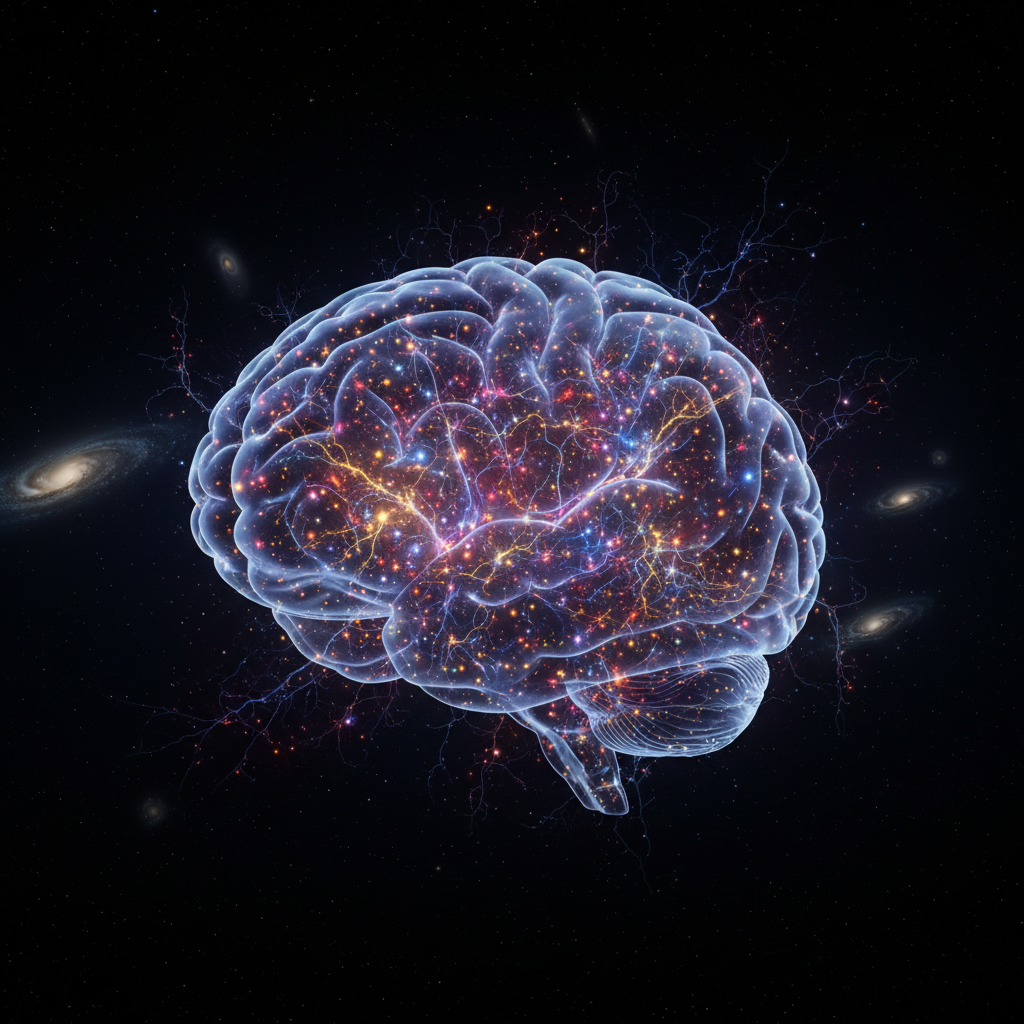
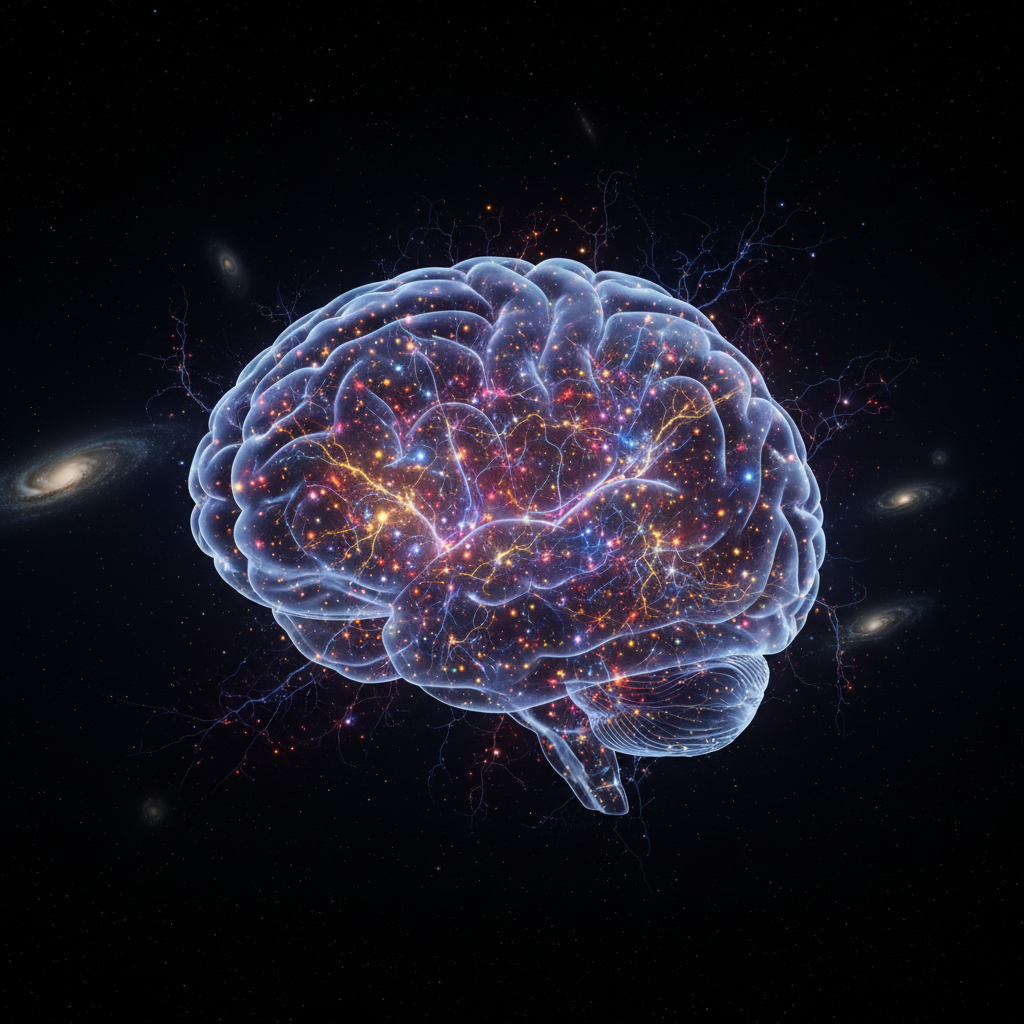
The abrupt transition from a dream's vivid, all-encompassing reality to the quiet familiarity of a bedroom is a universal human experience. One moment, you are flying over a city of glass; the next, you are staring at your ceiling, your heart pounding with the phantom sensation of flight. This powerful disconnect raises a fundamental question in neuroscience: Why do dreams feel so real? The answer is not rooted in philosophy or mysticism, but in the precise and predictable architecture of the sleeping brain. During Rapid Eye Movement (REM) sleep, our brain enters a state of controlled psychosis, meticulously crafting a world that is, for all intents and purposes, indistinguishable from waking reality to the consciousness experiencing it. This nightly illusion is a byproduct of a profound shift in neural activity and chemical balance, a process detailed within The Master Encyclopedia of Dreams. Understanding this mechanism offers a window into the very nature of consciousness and the brain's remarkable power to construct its own reality.
The Brain's Internal Cinema: A Symphony of Activation and Deactivation
The perceived reality of a dream is orchestrated by a specific pattern of brain activation. Functional magnetic resonance imaging (fMRI) and positron emission tomography (PET) scans reveal a fascinating landscape of neural activity during REM sleep. While the body lies paralyzed—a state known as REM atonia, initiated by the brainstem to prevent us from acting out our dreams—the brain itself is anything but dormant. Key areas become hyperactive. The limbic system, our emotional core, is intensely engaged. This includes the amygdala, the seat of fear and aggression, and the hippocampus, crucial for memory formation. The profound role of amygdala in dreams explains why dream emotions—be they terror, elation, or grief—feel profoundly authentic and visceral. Simultaneously, sensory cortices responsible for vision, sound, and movement light up as if receiving external stimuli, generating the rich sensory tapestry of the dream world.
However, the most critical component for the dream's realism is not what is activated, but what is *deactivated*. The dorsolateral prefrontal cortex (DLPFC), a region associated with executive function, critical thinking, logic, and self-awareness, shows a marked decrease in activity. This neurological 'down-regulation' is the master key to our credulity in dreams. Without the DLPFC's constant reality-checking, we lose the ability to question the bizarre narratives, the impossible physics, and the sudden shifts in time and place. We simply accept the dream's premise, no matter how illogical.
"During REM sleep, we have a deactivated prefrontal cortex. This is the part of the brain responsible for high-level integration of information, for making sense of the world, for impulse control. With that offline, you've got a brain that's emotional, that's associative, but it's not logical or critical." — Matthew Walker, Professor of Neuroscience and Psychology.
The Neurochemical Cocktail and the Logic of Chaos
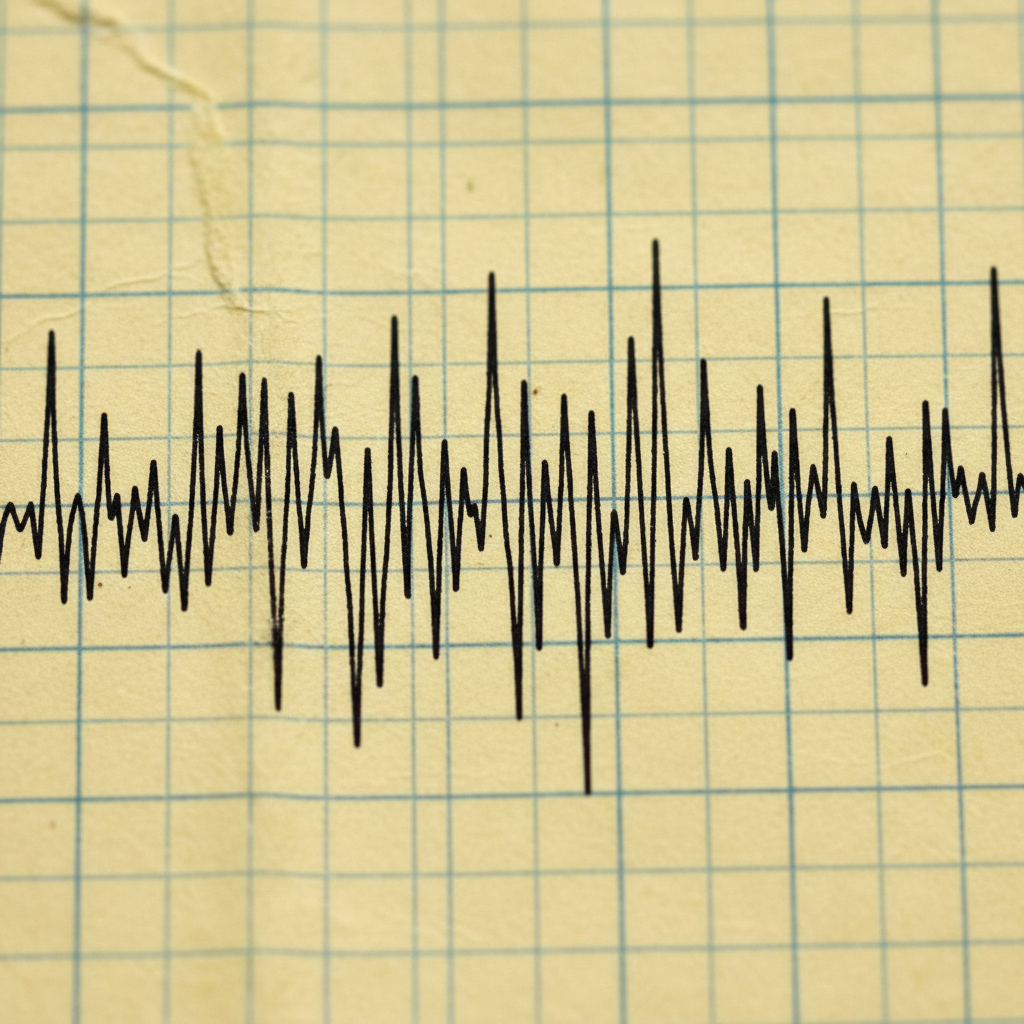
Underpinning this electrical activity is a unique neurochemical environment. The brain during REM sleep is flooded with acetylcholine, a neurotransmitter linked to cortical activation and memory consolidation, while levels of serotonin and norepinephrine—key for waking focus, attention, and rational thought—are almost completely absent. This specific cocktail fosters a state of heightened cortical plasticity and associative thinking, allowing disparate memories and concepts to merge in novel and often surreal combinations. This state helps explain why the brain waves during rem sleep, specifically high-frequency gamma waves, resemble those of an active, waking brain.
This neurochemical state provides fertile ground for theories like the Activation-Synthesis Hypothesis, proposed by J. Allan Hobson and Robert McCarley in 1977. The theory originally posited that random electrical signals originating from the brainstem (the 'activation') are received by the forebrain, which then attempts to weave these chaotic signals into a coherent narrative (the 'synthesis'). While the theory has been updated to acknowledge the role of memory and emotion, its core principle remains influential. The dream feels real because our higher-order brain regions are doing what they are designed to do: create a story from incoming data. The data is just internal and random, rather than external and structured. This is supported by substantial neuroscientific evidence that illustrates how the brain essentially creates a simulation based on its own internal signals, unchecked by external reality.
The Evolutionary Simulator: From Memory Consolidation to Threat Rehearsal
If dreams are just the brain's attempt to make sense of noise, why do they so often feel meaningful and thematically consistent? Modern theories suggest a more functional purpose. Dreams are now widely seen as crucial for memory consolidation, where the hippocampus replays recent experiences, helping to strengthen neural connections and transfer important information to long-term storage in the cortex. This process provides the raw material—the faces, places, and events—that are remixed into our dream narratives.
Building on this, the Threat Rehearsal Theory (TRT), proposed by Finnish philosopher Antti Revonsuo, argues that dreaming is an evolutionary adaptation. It functions as a virtual reality simulator, allowing us to practice and prepare for threatening situations in a safe environment. The high emotional stakes and realistic scenarios are not a bug but a feature, honing our survival instincts. The prevalence of chase dreams, conflict scenarios, and the psychology of falling in dreams can be interpreted through this lens.
"The consciousness of dreaming is a simulation of the perceptual world. It is a world-simulation that is specialized in the simulation of threatening events… This simulation provides a biologically significant advantage by leading to enhanced performance in the corresponding real situations." — Antti Revonsuo, "The Reinterpretation of Dreams" (2000).
The very act of questioning this simulated reality is the basis of lucid dreaming, an intriguing state where the prefrontal cortex shows renewed activity. Dreamers become aware they are dreaming and can sometimes exert control, a skill often honed through a disciplined reality checks for lucid dreaming list. This phenomenon demonstrates that the boundary between unconscious acceptance and conscious awareness in dreams is fluid and potentially trainable.
The Future of Dream Research: Decoding the Final Frontier of Consciousness
The scientific inquiry into why dreams feel real is rapidly advancing beyond observational studies. High-density EEG and real-time fMRI are allowing researchers to correlate specific neural firing patterns with reported dream content with increasing accuracy. The prospect of 'dream decoding'—translating brain activity into a rough visual or thematic representation of a dream—is moving from science fiction to a tangible research goal. This technology holds immense therapeutic potential. For instance, targeted memory reactivation (TMR) during sleep could be used to weaken the emotional charge of traumatic memories for PTSD sufferers or to enhance motor skill learning for athletes or stroke patients.
Further into the future, brain-computer interfaces (BCIs) could offer unprecedented access to the dream state, allowing for not just monitoring but potential interaction. While ethical considerations are paramount, these technologies could revolutionize our understanding of consciousness, creativity, and mental illness. By reverse-engineering the brain's own reality-generating engine, we learn more about the fundamental nature of our waking perception. The dream state, once the domain of mystics and psychoanalysts, is becoming one of the most exciting frontiers in neuroscience, promising to reveal how our brains construct not just our dreams, but our reality itself.
Key Takeaways: The Architecture of Dream Reality
- Selective Brain Activation: The realism of dreams is a direct result of high activity in the brain's emotional (limbic system) and sensory (cortical) centers, coupled with a strategic deactivation of the logical, self-aware prefrontal cortex.
- A Unique Neurochemical State: During REM sleep, high levels of acetylcholine and low levels of serotonin and norepinephrine create a brain environment ripe for associative, narrative-driven consciousness, distinct from the waking state.
- Functional Simulation: Dreams are not merely random noise. They are built from fragmented memories and likely serve vital functions, such as memory consolidation, emotional regulation, and, as proposed by Threat Rehearsal Theory, a virtual training ground for survival instincts.
- A Window into Reality Construction: The study of the dream state provides profound insights into how the brain constructs reality itself. By understanding how the brain deceives itself so perfectly at night, we learn about the neurological foundations of our everyday consciousness.