Mastering Dream Lucidity: A Cognitive and Practical Guide to Reality Checks
Mastering Dream Lucidity: A Cognitive and Practical Guide to Reality Checks
The Cognitive Architecture of Dream Awareness: Unpacking Reality Checks
The pursuit of lucid dreaming, a state where one becomes consciously aware of dreaming while it is happening, hinges critically on the disciplined application of 'reality checks.' These are deliberate, habitual actions designed to differentiate between waking life and the dream state. Fundamentally, reality checks exploit the inherent logical inconsistencies and fluidity characteristic of dreams, contrasting them with the predictable, stable laws governing our waking reality. From a cognitive psychological perspective, the brain processes sensory information differently during REM sleep, often generating scenarios that defy physics or common sense without immediate conscious recognition.
During a dream, the prefrontal cortex, responsible for executive functions like critical thinking and logical reasoning, exhibits reduced activity. This diminished capacity explains why highly illogical events—such as flying without effort or conversing with deceased relatives—are often accepted without question within the dream narrative. Reality checks serve as a metacognitive trigger, compelling the dreaming mind to engage a more analytical mode, effectively 'bootstrapping' the prefrontal cortex into higher activity. This activation helps the dreamer identify discrepancies that would be impossible in waking life.
The efficacy of reality checks also ties into the brain's capacity for subconscious learning and habit formation. When consistently performed in waking life, these actions become deeply ingrained procedural memories. When triggered in a dream, even with reduced cognitive resources, the habitual action often elicits the expected outcome (e.g., trying to push a finger through a palm). However, the unexpected result (the finger passing through) then forces a re-evaluation of the current reality. This sudden clash between expectation and perception creates a moment of cognitive dissonance, often leading to dream recognition. As eloquently explored in the comprehensive guide to lucid dreaming attainment, successful lucidity is not merely a chance occurrence but a learned skill cultivated through such deliberate practices.
Furthermore, the brain's processing of sensory information within a dream is largely reconstructive, drawing upon stored memories and subconscious associations rather than direct external stimuli. This internal generation of sensory data allows for greater malleability and often results in sensations that are subtly 'off'—colors might be too vibrant, textures too smooth, or sounds too muted. Reality checks leverage these subtle anomalies, compelling the dreamer to pay closer attention to sensory details that would otherwise be glossed over. The psychological underpinnings of this phenomenon, linking dream states to broader brain and emotion dynamics, are meticulously detailed in studies on dreams, brain function, and emotion during sleep, underscoring the deep connection between our conscious and unconscious minds.
Practical Modalities of Reality Verification: Engaging the Senses
Effective reality checks are not passive contemplations but active, sensory-rich experiments designed to robustly test the fabric of perceived reality. Integrating these practices into daily routines fosters the necessary habituation that translates into dream awareness. The key is to perform them with genuine curiosity and critical intent, not merely as an automatic gesture. Here, we delineate several cornerstone reality checks, emphasizing their operational specifics and sensory engagement.
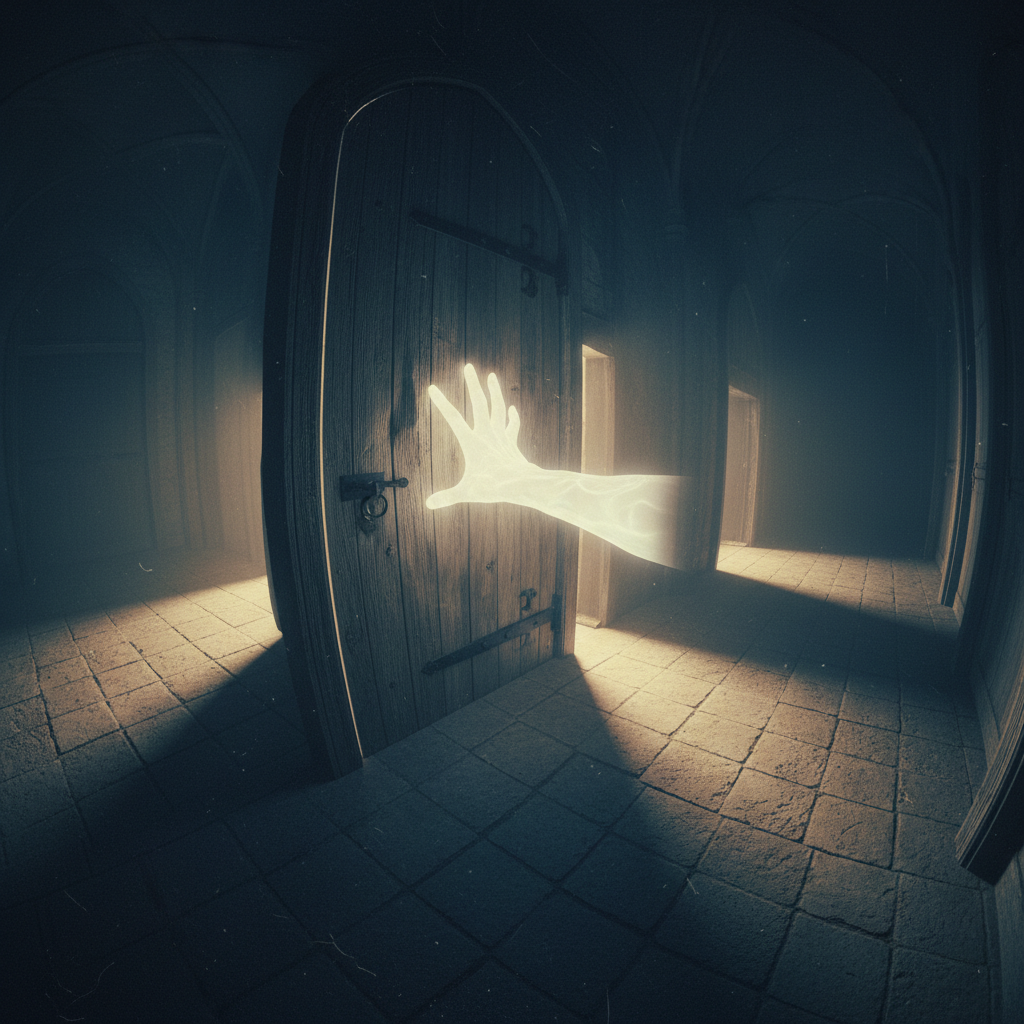
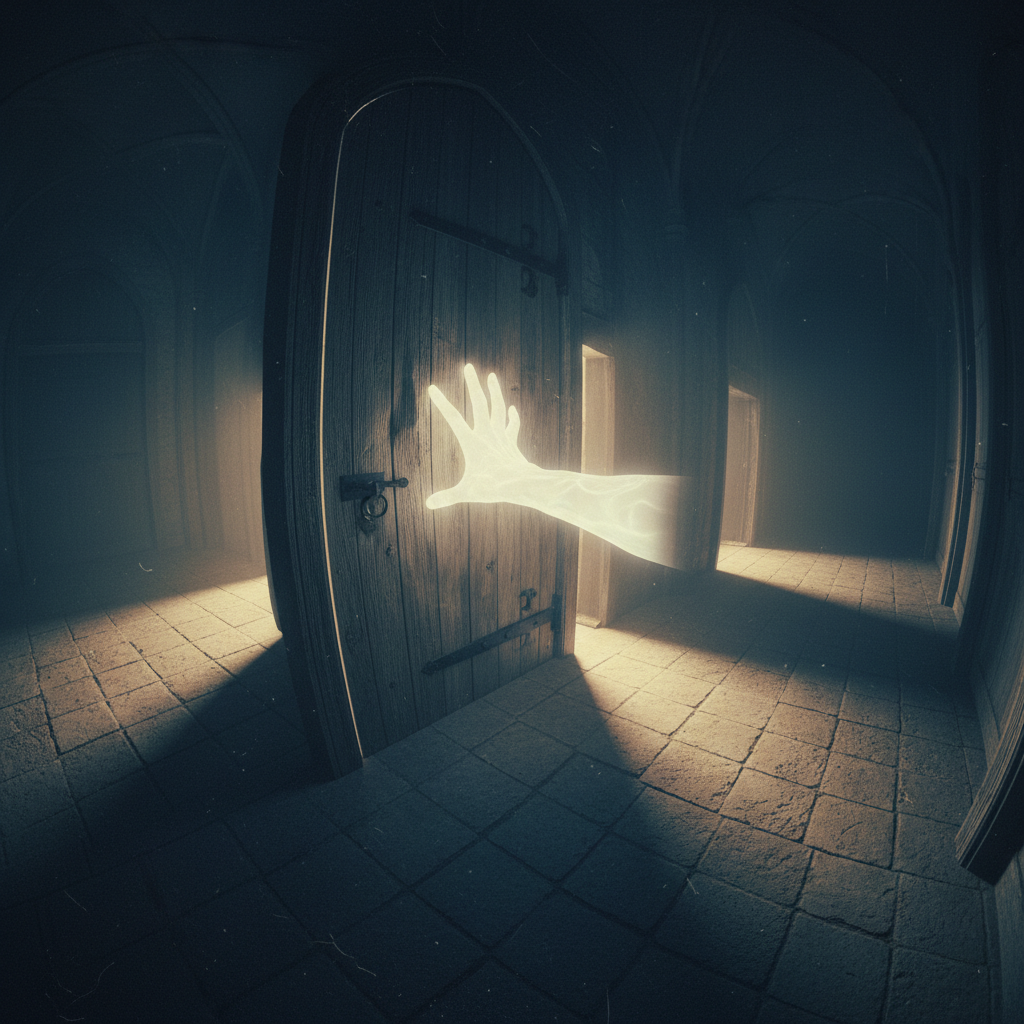
- The Hand Check: This is perhaps the most ubiquitous. Vigorously examine your hands, counting your fingers. In dreams, hands often appear distorted, discolored, or possess an incorrect number of digits (more or fewer than five). Focus on the visual details: lines, skin texture, shadows. Then, attempt to push one finger of your dominant hand through the palm of your other hand. In waking life, this is impossible; in a dream, your finger will often pass through, signaling lucidity. This check engages both visual and tactile senses, providing immediate, undeniable feedback.
- The Nose Pinch Test: While pinching your nose closed with your fingers, attempt to breathe in. In waking life, breathing will be impossible. In a dream, however, you will often find yourself still able to inhale, demonstrating that the physical restrictions of your dream body do not always align with waking physiology. This test is highly reliable as it directly contradicts a fundamental physiological need and expectation.
- The Text/Clock Test: Look at a piece of text (a book, a sign, a digital clock). Look away for a moment, then look back. In waking reality, the text or time will remain consistent. In a dream, text frequently shifts, scrambles, or changes meaning upon re-examination. Clocks often display illogical times or rapidly changing digits. This method primarily engages visual and cognitive processing, exposing the dream's inherent instability.
- The Mirror Reflection Test: Observe your reflection in a mirror. In waking life, your reflection is consistent and accurate. In dreams, however, reflections are often distorted, blurry, or even depict a completely different image. Sometimes, there might be no reflection at all. This check taps into self-perception and visual consistency, often revealing profound symbolic distortions of the self within the dreamscape.
- The Jump Test: Attempt a small jump, intending to float or fly. While not a conventional reality check, this can be effective for individuals who frequently dream of flying or defying gravity. In a dream, a small leap can easily turn into prolonged levitation or flight, a clear indicator of the dream state. This engages proprioceptive and kinesthetic senses.
Establishing these checks as a ritual—perhaps upon entering a new room, checking your phone, or encountering a specific object—reinforces the habit. The intentionality behind each check is paramount; it’s not enough to merely go through the motions. One must genuinely question, "Am I dreaming?" and actively seek empirical evidence to confirm or deny the state.
A Comparative Analysis of Reality Check Efficacy: Tailoring Your Approach
While a diverse repertoire of reality checks is beneficial, understanding their comparative strengths and weaknesses is crucial for developing an optimized lucid dreaming practice. Not all checks are equally reliable or universally applicable across dream scenarios. The most effective approach involves integrating checks that leverage different sensory modalities and cognitive processes, thereby increasing the probability of detection.
Visual checks, such as observing hands or text, are often the easiest to initiate in a dream, as visual information is prevalent. However, their reliability can vary. Dream text, for instance, sometimes appears stable, or distortions might be too subtle for an unseasoned dreamer to notice. Physical interaction checks, like the nose pinch or pushing through a wall, tend to be more definitive due to their direct contradiction of physical laws. These often provide an unequivocal "yes, this is a dream" signal, making them highly reliable once performed.
For beginners, simpler, more direct checks like the hand check (counting fingers and pushing through palm) or the nose pinch test are often recommended due to their high success rate and clear, unambiguous results. As proficiency grows, integrating more subtle checks, such as examining reflections or environmental shifts, can enhance overall dream awareness. The table below offers a comparative overview:
| Reality Check Method | Primary Sensory Modality | Reliability Index (1-5) | Common Dream Indication | Best for Beginners? |
|---|---|---|---|---|
| Hand Check (Counting/Pushing) | Visual, Tactile | 4.5/5 | Distorted digits, finger passes through palm | Yes |
| Nose Pinch Test | Tactile, Kinesthetic | 5/5 | Ability to breathe through pinched nose | Yes |
| Text/Clock Test | Visual, Cognitive | 3.5/5 | Text shifts, scrambles, or changes; illogical clock times | Moderate |
| Mirror Reflection Test | Visual, Self-Perception | 4/5 | Distorted, absent, or alien reflection | Moderate |
| Gravity/Jump Test | Proprioceptive, Kinesthetic | 3/5 | Ability to float, fly, or defy gravity | No (often too subtle) |
Choosing the right checks also depends on common dream themes. If one frequently experiences anxiety dreams involving being trapped, the 'pushing through a wall' or 'nose pinch' tests might be particularly potent. For those whose dreams often involve social interactions or reading, the text/clock test or mirror test might be more revealing. The ultimate goal is to find a personalized suite of checks that resonates with individual dream patterns and provides consistent, unambiguous signals for lucidity, fostering greater psychological insight and healing through conscious dream exploration.
Demystifying Lucid Dreaming: Dispelling Common Misconceptions
The practice of reality checks and the broader pursuit of lucid dreaming are often shrouded in myths and misunderstandings. These misconceptions can deter potential dream explorers or lead to ineffective practices. It is crucial to approach lucid dreaming with a rational, evidence-based mindset, separating scientific understanding from folklore.
One prevalent myth is that reality checks inherently guarantee lucidity on demand. While they are the most effective catalyst, consistency and genuine critical engagement are paramount. A perfunctory reality check performed without true questioning will likely fail to trigger awareness within a dream. Lucidity is a skill that develops over time, requiring diligent practice and self-reflection, not a magic bullet. Many individuals report numerous failed attempts before achieving consistent lucidity, underscoring the role of perseverance.
Another common concern is that lucid dreaming is inherently dangerous, leading to sleep paralysis, nightmares, or even psychological instability. This apprehension is largely unfounded. Sleep paralysis, while disorienting, is a natural transitional state between sleep and wakefulness, often occurring independently of lucid dreaming. In fact, for many, learning to recognize and control lucid dreams can transform terrifying sleep paralysis experiences into opportunities for exploration and mastery, as discussed in various psychological texts on dream analysis. The ability to confront and resolve dream conflicts consciously can be profoundly therapeutic, not detrimental.
"The unconscious has a way of communicating through symbols and experiences that, when consciously engaged, can lead to remarkable self-discovery and integration." – C.G. Jung, regarding the deeper psyche. While Jung did not directly discuss 'reality checks,' his emphasis on engaging with unconscious material resonates deeply with the intentionality behind lucid dreaming practices. This proactive engagement transforms passive experience into active exploration, particularly vital when navigating complex dream landscapes such as those involving the Jungian Shadow.
Furthermore, the notion that one needs external aids, elaborate dream journals, or specific substances to achieve lucidity is often overstated. While techniques like Wake-Initiated Lucid Dreams (WILD) or Mnemonic Induction of Lucid Dreams (MILD) are powerful, the core mechanism remains the disciplined application of reality checks and a strong intention. While dream journaling is highly recommended for pattern recognition and dream recall, it is a supportive tool, not a prerequisite for all. Focus on the internal practice and mental discipline rather than external dependencies.
Finally, the idea that lucid dreaming allows for unrestrained control or wish fulfillment without consequence is also a simplification. While dream control is certainly possible, the dream world often retains its own unpredictable logic and symbolic depth. True mastery involves not just controlling the dream but also learning from its spontaneous manifestations, integrating insights rather than merely imposing one's will. Reality checks are the gateway to this nuanced interaction, not merely a key to unbridled power.
What the Evidence Says: Reality Checks and Lucid Dream Induction
The research on reality checks is limited. A systematic review of lucid dream induction techniques (Stumbrys et al., 2012) found that reflection and reality testing seem to increase how often people have lucid dreams, but the evidence for any single technique was modest, and the studies were small. Reality checks are better thought of as one helpful habit, often combined with other methods such as keeping a dream journal, than as a guaranteed route to lucidity.
Many people who practice lucid dreaming say that reality checks work best when done with real intention: genuinely asking "Am I dreaming?" and looking at the answer the environment gives, rather than going through the motions. Those are personal reports rather than proof, so treat them as practical advice, not as established fact.
Beyond induction itself, some lucid dreamers say they use lucidity to confront fears, practice skills or solve problems. This direct engagement with the subconscious mind can facilitate a deeper understanding of one's emotional landscape and repressed aspects of the self, aligning with therapeutic approaches that seek to decode dreams for repressed emotions and psychological healing.
The ultimate advice for anyone aspiring to master lucid dreaming through reality checks is simple: consistency, critical intent, and patience. Integrate these checks into your daily life as non-negotiable rituals. Approach each check not as a chore, but as a genuine scientific experiment on your perception of reality. Understand that lucidity is a journey, not a destination, and each attempted reality check, whether it yields lucidity or not, strengthens the neural pathways for future awareness. The profound potential for self-exploration and expanded consciousness that awaits makes this consistent effort an incredibly worthwhile endeavor.