The Paradoxical Theater: A Deep Dive into Brain Waves During REM Sleep
The Paradoxical Theater: A Deep Dive into Brain Waves During REM Sleep

The Paradoxical Symphony: An Introduction to REM Sleep’s Brain Activity
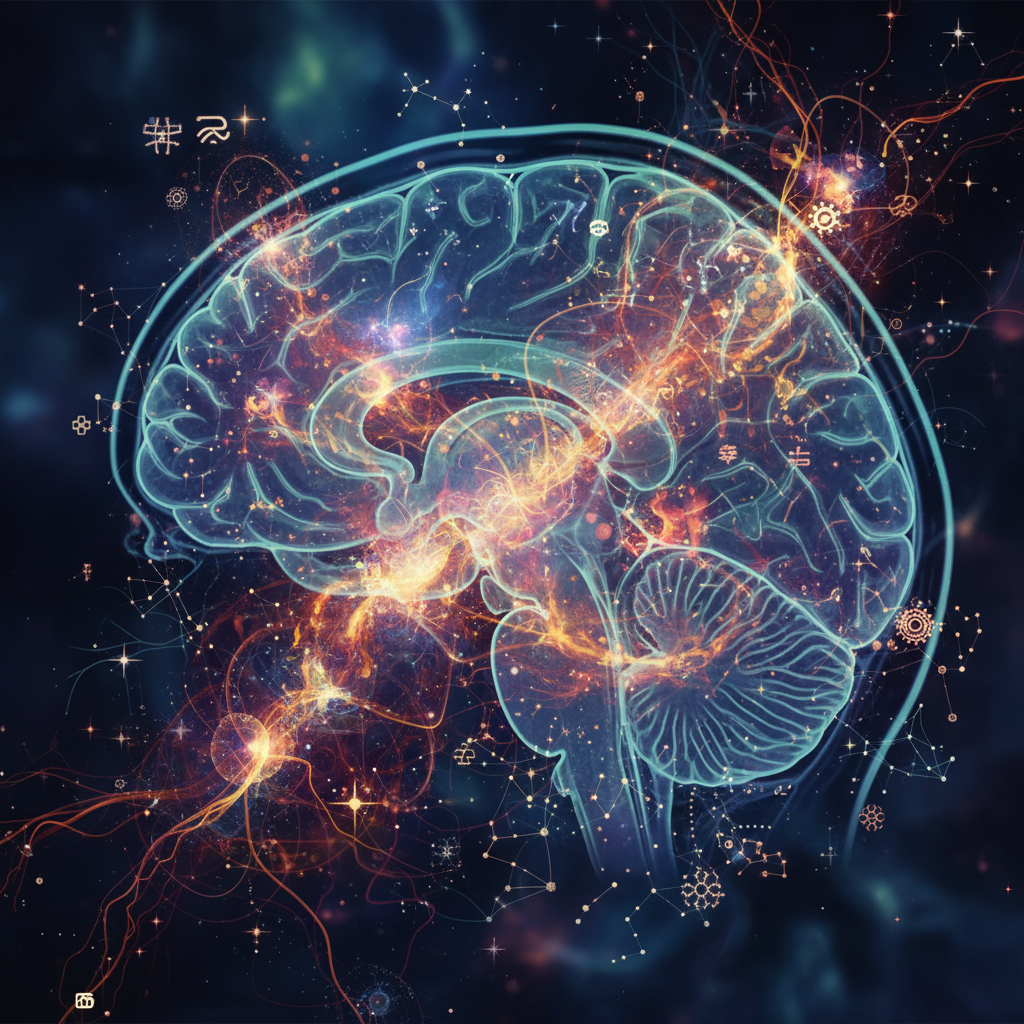
Rapid Eye Movement (REM) sleep represents one of the most profound paradoxes of human biology. First identified in the 1950s by Eugene Aserinsky and Nathaniel Kleitman, this stage is defined by a brain that appears electrically awake within a body that is functionally paralyzed. While the muscles are in a state of atonia—a temporary paralysis preventing us from acting out our dreams—the cerebral cortex erupts into a storm of high-frequency electrical activity. This stark contrast between internal arousal and external stillness has earned REM sleep the moniker “paradoxical sleep.” To truly comprehend this state, we must venture into the invisible world of electroencephalography (EEG), decoding the specific frequencies and patterns that define the mind’s nightly theater. The study of brain waves during REM sleep is not merely an academic exercise; it is a direct portal into the mechanisms of memory consolidation, emotional regulation, and the very architecture of consciousness itself. It challenges the simplistic notion of sleep as a passive state of rest, revealing it instead as a dynamic and critical period of intense neural reorganization.
The Electrical Signature: A Spectrum of Waves in the REM Brain
The EEG signature of REM sleep is a complex composition, strikingly different from the slow, rolling waves of deep sleep. It is characterized by low-amplitude, mixed-frequency activity that more closely resembles the brain’s pattern during active wakefulness. Several key wave types orchestrate this symphony:
- Theta Waves (4-8 Hz): Perhaps the most prominent and studied wave in the REM landscape, theta activity is strongly associated with the hippocampus. This brain region is crucial for memory formation and spatial navigation. During REM, these sawtooth-like waves are thought to be the neural correlate of memory replay and consolidation, where the brain sorts, strengthens, and integrates the day’s experiences into long-term storage. The vivid, often bizarre narratives of our dreams are likely woven within this theta-dominant framework.
- Beta Waves (13-30 Hz): The presence of beta waves is what makes the REM brain appear so “awake” to an EEG. These higher-frequency waves are characteristic of an actively engaged and thinking mind. In REM, they reflect the intense cognitive and emotional processing occurring within a dream. The problem-solving, emotional confrontations, and intricate plot developments of our dream narratives are powered by this fast-paced neural firing.
- Gamma Waves (>30 Hz): At the highest end of the frequency spectrum, gamma waves are associated with binding different sensory inputs into a single, coherent conscious experience. Their presence during REM suggests that dreaming is not a disjointed series of images but a holistic, immersive simulation, much like our waking perception of reality.
This intricate electrical environment forms the bedrock of our internal world during sleep, a subject explored in depth within The Master Encyclopedia of Dreams. It is a state where memory is not just stored, but actively re-contextualized.
A 2017 study published in Nature Communications by Izawa et al. demonstrated that selectively suppressing hippocampal theta rhythms during REM sleep in mice impaired their ability to consolidate contextual fear memories, providing direct causal evidence for the role of these specific brain waves in emotional memory processing.
A Tale of Two Slumbers: Contrasting REM and NREM Brainscapes
To appreciate the uniqueness of REM sleep, one must compare its electrical signature to that of Non-Rapid Eye Movement (NREM) sleep and wakefulness. The sleep cycle is a journey through progressively different neurological states. NREM sleep is divided into three stages. Stage N1 is a brief, transitional phase of drowsiness with slowing alpha and emerging theta waves. Stage N2, where we spend the majority of our sleep time, is defined by characteristic EEG markers called sleep spindles and K-complexes, believed to be involved in memory consolidation and sensory gating.
The most dramatic contrast, however, lies between REM and Stage N3, also known as slow-wave sleep (SWS). N3 is dominated by high-amplitude, low-frequency Delta waves (0.5-4 Hz). This is the deepest stage of sleep, where the brain’s neurons fire in slow, synchronized harmony. Functionally, SWS is primarily associated with physical restoration, growth hormone release, and the clearing of metabolic waste from the brain. If SWS is the brain’s physical maintenance crew, REM is its psychological software engineer.
As outlined in the comprehensive guide on the Physiology, Sleep Stages, the transition from the synchronous, high-amplitude delta waves of NREM Stage 3 to the desynchronized, low-amplitude, high-frequency activity of REM represents one of the most radical state shifts the brain undergoes in a 24-hour period.
Compared to wakefulness, the REM brain is a fascinating parallel. While the frequency spectrum (beta, gamma) is similar, the underlying neurochemical environment is vastly different—with high levels of acetylcholine and low levels of serotonin and norepinephrine—and it is functionally disconnected from sensory input and motor output. This understanding marks a significant evolution in the history of dream analysis in western psychology, shifting the focus from purely symbolic interpretation to a neurobiological foundation.
The Proof in the Pulses: Experimental Evidence and Functional Roles
The link between these electrical pulses and their cognitive functions is not speculative; it is built on decades of empirical research. EEG recordings from sleep labs consistently show a direct correlation between the intensity of REM theta activity and the likelihood of a subject reporting a vivid, story-like dream upon waking. Furthermore, studies involving “REM deprivation,” where subjects are awakened every time they enter REM sleep, have demonstrated significant deficits in learning and memory, particularly for complex, procedural tasks (like learning a new skill) and emotionally charged information.
A critical piece of evidence comes from the study of Ponto-Geniculo-Occipital (PGO) waves. These are sharp, electrical spikes originating in the brainstem (Pons) that travel through a relay station (the Lateral Geniculate Nucleus) to the Visual Cortex (Occipital lobe). These waves are precursors to and hallmarks of REM sleep, and they are believed to be the mechanism that triggers the internally generated visual imagery of our dreams. They are, in essence, the starting gun for the nightly cinematic experience. Research in this area has profound implications, particularly in understanding trauma. The neural replay mechanisms in REM are thought to be essential for stripping the emotional charge from traumatic memories, a process that can be dysfunctional in PTSD and may be a target for therapeutic interventions like lucid dreaming for ptsd recovery.
The Future of the Dreamscape: Technology, Therapy, and Cognitive Enhancement
The study of brain waves during REM sleep is entering a new era, propelled by technological advancements. While EEG remains the gold standard, high-density EEG, combined with functional Magnetic Resonance Imaging (fMRI), allows researchers to map not just *when* neural activity occurs, but *where* with unprecedented precision. This fusion of techniques is helping to build a comprehensive atlas of the dreaming brain. The next frontier is the application of Artificial Intelligence and machine learning to analyze these vast datasets. AI algorithms are now being trained to decode brain wave patterns with such accuracy that they can begin to predict the emotional content of a dream or identify subtle abnormalities that are early biomarkers for neurodegenerative diseases like Parkinson’s, which often first manifests as REM Sleep Behavior Disorder.
This research opens the door to remarkable therapeutic possibilities. Imagine targeted brain stimulation techniques—using sound, light, or electrical currents—to enhance the specific frequencies associated with memory consolidation during sleep, potentially helping students learn more effectively or slowing cognitive decline in the elderly. By understanding the full grammar of the Stages of Sleep, we may soon be able to edit the dysfunctional neural scripts that contribute to depression, anxiety, and trauma. The once-mysterious realm of dreams is rapidly becoming a tangible, accessible frontier for both healing and human enhancement.
Key Takeaways: The Electrical Echoes of the Mind
- REM sleep is a paradoxical state defined by high-frequency, low-amplitude brain waves that resemble wakefulness, occurring alongside near-total muscle paralysis.
- The dominant brain waves during REM sleep are Theta waves, linked to memory consolidation and dreaming, and Beta waves, reflecting active cognitive and emotional processing.
- The REM brain’s electrical signature is fundamentally different from the slow, synchronous Delta waves of deep NREM sleep, indicating distinct roles in physical restoration versus psychological processing.
- Concrete EEG evidence links the intensity of REM brain activity to dream vividness and demonstrates its crucial role in consolidating procedural and emotional memories.
- Future research using AI and advanced neuroimaging aims to decode REM brain waves for therapeutic purposes, offering new treatments for neurological disorders and pathways for cognitive enhancement.