Secular Spirituality in Modern Dream Work: From Divine Oracle to Personal Algorithm
Secular Spirituality in Modern Dream Work: From Divine Oracle to Personal Algorithm
The Deconsecrated Oracle: Reclaiming Dreams from the Divine
Historically, the dream was a consecrated space, a direct conduit to the divine, the ancestral, or the demonic. From the papyri detailing ancient egyptian dream interpretation symbols to the prophetic visions that shaped religious texts, dreams were not of the dreamer; they were external messages to be received and obeyed. The biblical meaning of dreams and visions, for instance, often involved divine intervention, commandments, or warnings about future events. This framework positioned the individual as a passive receptacle for supernatural wisdom. The locus of meaning was external, residing in gods, spirits, or a cosmic order. Consequently, the act of interpretation was one of translation, guided by a priestly class or sacred texts that held the cipher key.
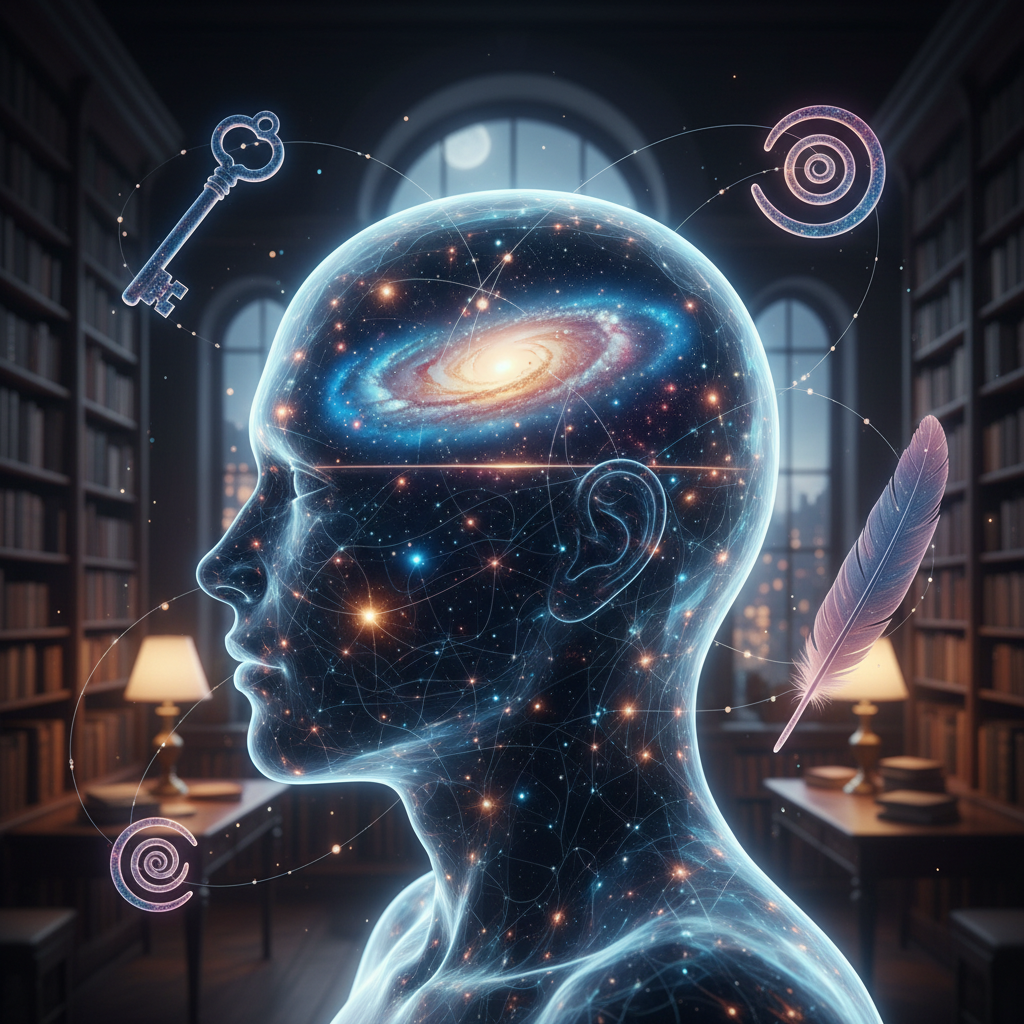
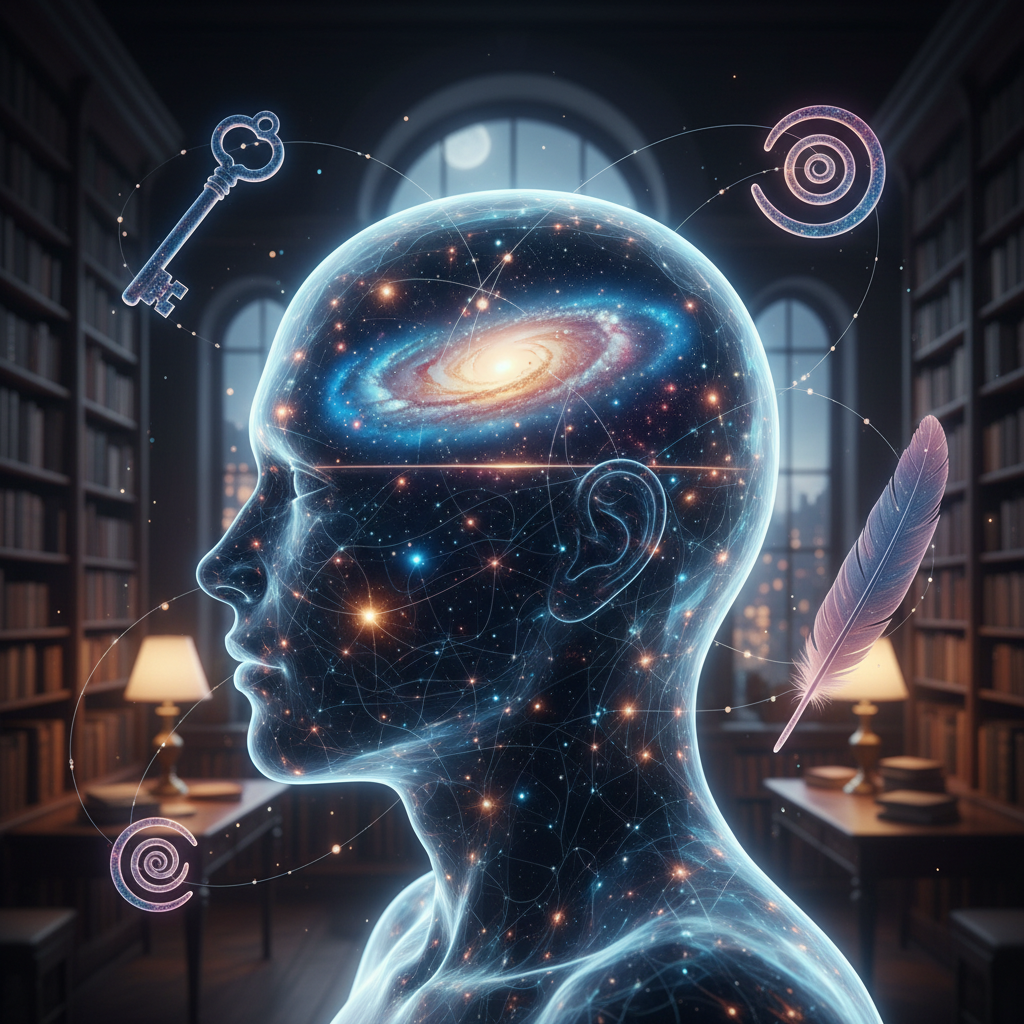
The emergence of secular spirituality represents a profound Copernican shift in this dynamic. It reframes the search for meaning, transcendence, and connection as an internal process, severing it from theistic dogma and supernatural cosmology. Applied to dream work, this perspective does not discard the sense of awe or profundity that dreams can evoke; instead, it relocates the source of that profundity. The 'oracle' is not a deity speaking through the subconscious, but the subconscious itself—an intricate, intelligent, and deeply personal system communicating in its own native language. Secular spirituality approaches a dream not as a divine edict but as a piece of intimate psychological data, a nightly report from the frontiers of the self. It champions the idea that meaning is not revealed from on high but is co-created through a rigorous and honest dialogue with one's own inner world. The awe comes from recognizing the vast, creative intelligence operating within our own minds, generating narratives that can heal, challenge, and guide us toward a more integrated life.
The Psychological Turn: Freud, Jung, and the Mapping of the Inner World
The true dawn of modern secular dream work began in the sterile consulting rooms of Vienna and Zurich. Sigmund Freud, with his 1900 publication of The Interpretation of Dreams, blasted open the gates of the unconscious. For Freud, dreams were the 'royal road' to the unconscious, but it was a territory populated by repressed desires and unresolved conflicts, primarily of a psychosexual nature. His method was archaeological: to dig through the manifest content (the dream's story) to unearth the latent content (the hidden wish). While revolutionary, the Freudian model was fundamentally reductive, often translating a rich tapestry of symbols into a limited set of primal urges. This approach laid the groundwork for viewing dreams as products of the mind, not messages from the ether.
It was Carl Jung who expanded this territory into a cosmos. He agreed with the personal nature of the unconscious but proposed a deeper, more ancient layer: the collective unconscious. This universal reservoir contains archetypes—primordial images and patterns shared by all humanity. This is where the crucial distinction between collective unconscious vs personal unconscious examples becomes vital. A dream of a snake might not just be a phallic symbol (Freud) but could tap into the archetypal energy of transformation, danger, and healing that the serpent has represented across cultures for millennia. Jung's framework provided a language for the 'spiritual' quality of dreams without resorting to supernaturalism. Concepts like the anima and animus in dreams or the journey toward self-realization, known as the individuation process through dream work, offered a structured path for personal growth. Secular dream work today is deeply indebted to Jung; it adopts his respect for symbolism and his view of dreams as a natural, self-regulating process guiding the individual toward wholeness.
The Secular Practitioner's Toolkit: Crafting a Personal Mythology
Secular dream work is not a passive act of receiving interpretation from an expert; it is an active, creative skill. It is the process of becoming a fluent translator of one's own unique symbolic language. The foundational tool is the dream journal, a simple yet powerful instrument for capturing the ephemeral narratives of the night before they dissolve in the morning light. The key is detail: recording not just the plot, but the emotions, colors, sounds, and visceral sensations. This raw data is the bedrock of any meaningful analysis. Engaging with this journal is not about looking up symbols in a generic 'dream dictionary,' which is the antithesis of the secular approach. Instead, it involves a process of personal association.
The practitioner asks: What does this symbol—a crumbling house, a soaring bird, a lost key—mean to *me*? What memories, feelings, or current life situations does it evoke? This builds a personal lexicon, a unique mythology of the self. Advanced techniques might include 'Active Imagination,' a Jungian method of re-entering a dream state while awake to consciously interact with dream figures and ask them questions. Another practice is tracking recurring themes. If you often dream about being chased, exploring the why do humans dream of being chased from a personal standpoint—What am I avoiding? What part of myself am I running from?—is more potent than a one-size-fits-all answer. This practice reveals how repressed emotions appearing in dreams are often the driving force behind such narratives. Ultimately, the goal is integration: taking the insights gleaned from the dream world and applying them to waking life. A dream of falling might not be a prophecy of doom but a signal from the psyche about a loss of control in one's career or relationships, prompting tangible action. This is the core of The Master Encyclopedia of Dreams's approach: to empower the individual.
The Evolving Landscape of Dream Interpretation: A Comparative Analysis
The journey of dream interpretation reflects humanity's own evolving understanding of consciousness. The transition from ancient divination to modern psychological practice is not a simple line but a complex layering of ideas. Even within a secular framework, one can see the echoes of older traditions, what some scholars term Implicit Religion in Dreams—the persistence of awe and numinosity in a non-theistic context. To grasp the unique position of secular dream work, a comparative table is essential.
| Approach | Source of Meaning | Methodology | Primary Goal |
|---|---|---|---|
| Past (Pre-Scientific/Religious) | External & Supernatural (Gods, demons, ancestors, cosmos) | Divination, symbolic interpretation based on sacred texts or fixed cultural codes (e.g., shamanic dream practices for healing) | Prophecy, divine guidance, appeasement, diagnosis of spiritual illness |
| Present (Psychological/Secular) | Internal & Psychological (Personal & collective unconscious, repressed emotions, cognitive processing) | Association, journaling, amplification of symbols, dialogue with dream figures (Jungian), analysis of wish fulfillment (Freudian) | Self-awareness, emotional integration, problem-solving, psychological wholeness (Individuation) |
| Future (Neuro-technological & Integrative) | Internal & Biological/Algorithmic (Brain chemistry, neural firing patterns, data analysis of personal dream logs) | fMRI/EEG analysis, AI-driven pattern recognition, targeted dream incubation, biofeedback integration | Cognitive enhancement, trauma processing (e.g., Lucid Dreaming Therapy), creativity augmentation, personalized mental health diagnostics |
The Future Horizon: Neuro-Spirituality and the Algorithmic Unconscious
The future of dream work lies at the intersection of neuroscience, data science, and the enduring human quest for meaning. We are entering an era of 'neuro-spirituality,' where the mystical experiences once attributed to the soul are being mapped onto the intricate firing of neural circuits. Technologies like fMRI and high-density EEG are allowing us to watch the dreaming brain at work, correlating emotional centers with narrative generation in real-time. This doesn't diminish the profundity of dreams; it provides a new, biological grammar for their language. For instance, understanding the role of the amygdala during nightmares about the psychology of falling in dreams provides a concrete basis for therapeutic intervention.
Simultaneously, the rise of artificial intelligence offers a tantalizing, if ambivalent, new tool. Imagine an AI trained on an individual's complete dream journal, cross-referenced with their waking life calendar, biometric data, and personal notes. Such a system could identify subtle, long-term patterns, correlations, and symbolic shifts that the conscious mind would miss. It could act as an 'algorithmic analyst,' flagging recurring anxieties or nascent creative ideas. The ethical questions are profound, touching on privacy and the very nature of the self. Yet, the potential for a new depth of self-understanding is undeniable. This evolution is a natural extension of the core tenets of Secular Spirituality—using the best tools available, whether they be meditation or machine learning, to explore the inner landscape. As the world becomes more data-driven, our most ancient and intimate data source—the dream—will not be left behind. It will be decoded, analyzed, and integrated, ensuring that even in a technological age, the nightly journey into the self remains a primary path to wisdom and growth.