Deciphering the Sacred Canvas: Ancient Egyptian Dream Interpretation Symbols and Their Enduring Significance
Deciphering the Sacred Canvas: Ancient Egyptian Dream Interpretation Symbols and Their Enduring Significance
The Mystical Nexus: Dreams, Divinity, and Dynastic Power in Ancient Egypt
In ancient Egypt, dreams were not mere nocturnal phantasms but profound conduits to the divine, integral to religious belief, political authority, and the fabric of daily life. The Egyptians believed that dreams were messages from the gods, the deceased, or even malicious demons, offering guidance, warnings, or prophecies. This worldview elevated dream interpretation to a sacred science, deeply intertwined with the pharaoh's legitimacy and the individual's pursuit of cosmic harmony (Ma'at).
Pharaohs, often regarded as living gods, frequently leveraged dream interpretations to validate their rule, justify military campaigns, or inaugurate grand building projects. A notable example is Thutmose IV's 'Dream Stele' at Giza, recounting his dream where the Great Sphinx promised him the kingship if he cleared the sand from its paws. This narrative served as a potent tool for legitimizing his ascent to the throne. For the common person, dreams offered a means to understand personal misfortunes, seek healing, or gain insight into future events. This societal function ensured that the practice of dream interpretation permeated all social strata, from the royal court to the humblest artisan.
The meticulous attention paid to dreams reflects a broader cultural reverence for symbolism and the unseen. Texts such as the 'Ramesside Dream Book,' a pivotal document from the New Kingdom, categorize dreams into 'good' and 'bad' prognoses, detailing specific symbols and their interpretations. This systematic approach demonstrates a sophisticated effort to decode the divine will, positioning dreams not as random occurrences but as a structured language awaiting decipherment. For a deeper understanding of how dreams function as communication channels, consider exploring how dreams connect to the brain, emotion, and sleep.
The Practical Art of Oneiromancy: Procedures and Priesthood
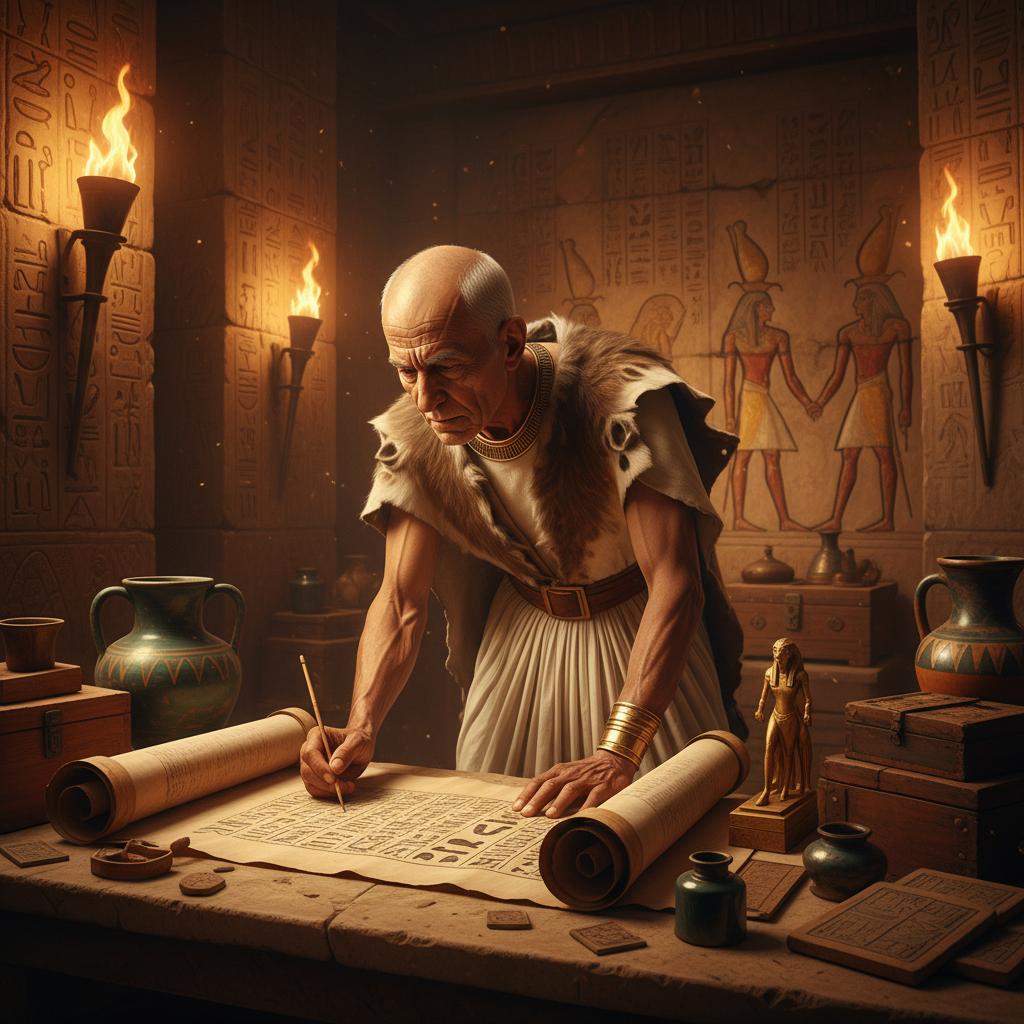
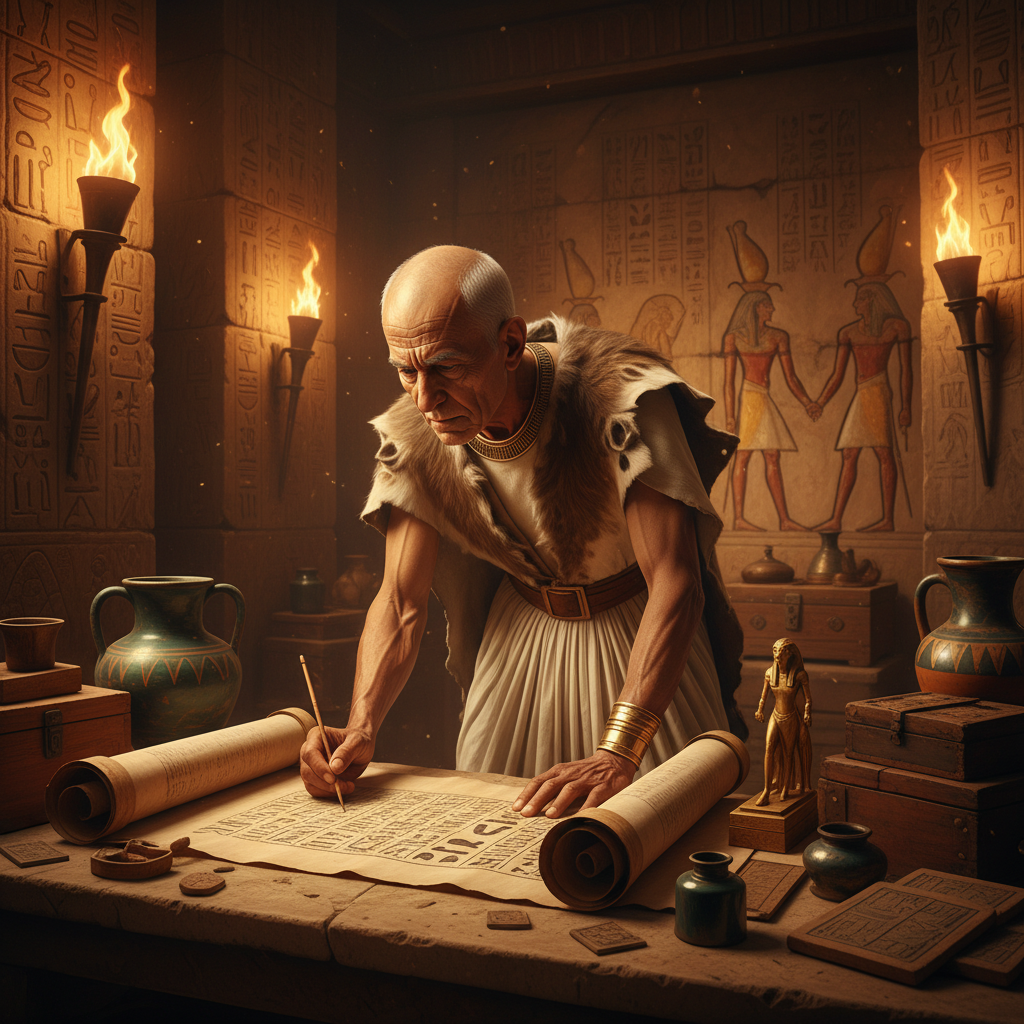
The practice of ancient Egyptian dream interpretation, known as oneiromancy, was a highly structured and ritualistic endeavor. It involved specialized priests, dedicated spaces, and specific tools designed to facilitate and decipher divine messages. Central to this practice were the 'Masters of the Secret Things' (also known as Wab priests), who were expert scribes and interpreters operating within temple complexes. These priests underwent rigorous training, mastering hieroglyphic script, theological doctrines, and the vast corpus of dream symbolism.
Dream incubation was a common practice, where individuals seeking divine guidance would sleep in sacred areas, often within temples dedicated to deities associated with healing and prophecy, such as Serapis or Hathor. One prominent site was the 'House of Life' associated with temples, where individuals would perform purification rituals, prayers, and offerings. Upon awakening, the dreamer would recount their experience to a 'Master of the Secret Things,' who would then consult established dream books and apply their knowledge of symbolism.
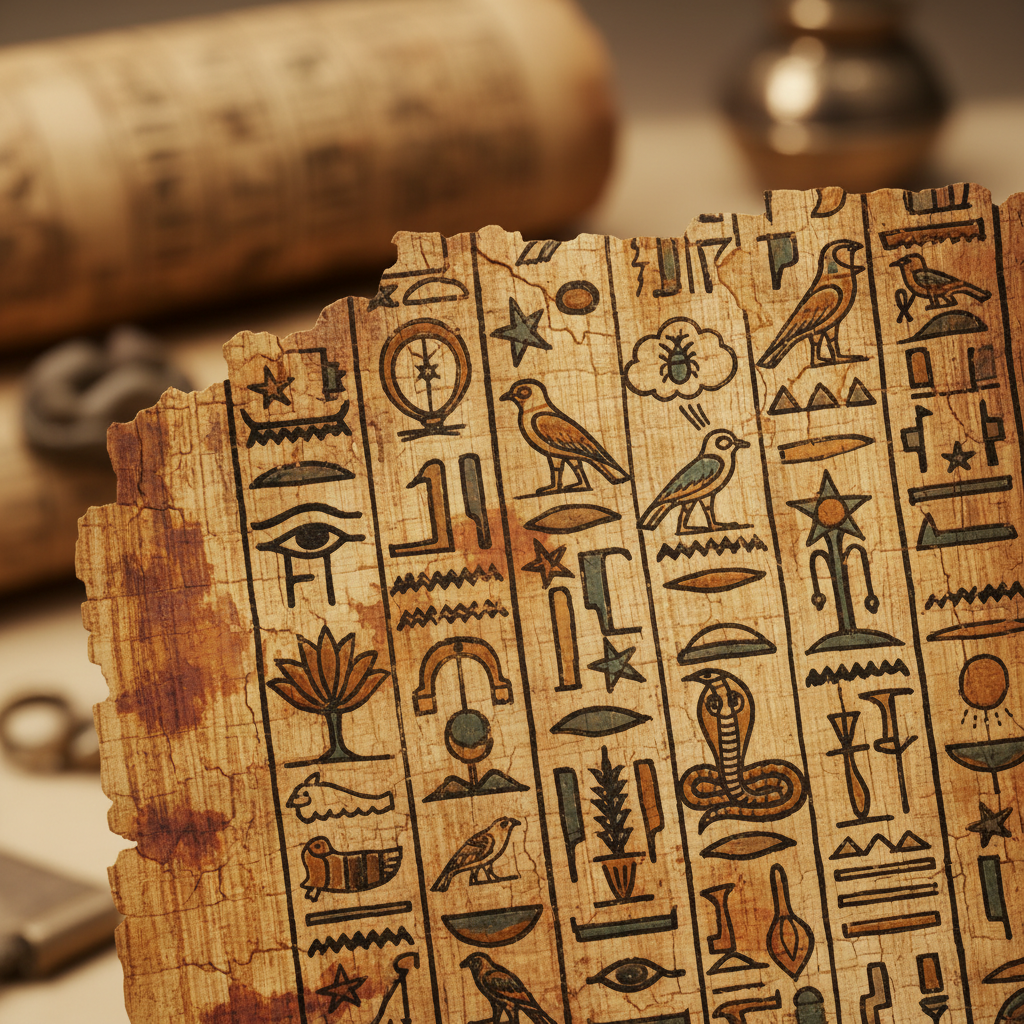
These 'dream books,' like the aforementioned Chester Beatty Papyrus III, functioned as extensive compendiums of dream symbols and their corresponding interpretations. They meticulously cataloged various dream scenarios and provided a binary interpretation: 'good' or 'bad.' The interpreter's role was to match the dream's elements with entries in these books, often considering the dreamer's social status, personal circumstances, and the context of the dream.
Decoding the Nocturnal Lexicon: Archetypal Symbols from Ancient Texts
Here are some documented examples of dream symbols and their ancient Egyptian interpretations:
- Seeing a Cat: Generally a positive omen, symbolizing good fortune, protection, or the goddess Bastet. A black cat, however, might indicate a negative influence or danger.
- Seeing a Snake: A highly ambivalent symbol. A snake biting might indicate an enemy or illness. However, seeing a snake shedding its skin could symbolize renewal, healing, or rebirth, reflecting its association with Wadjet.
- Drinking Water: A beneficial dream, often signifying prosperity, health, or purification, aligning with the life-giving properties of the Nile River.
- Eating Bread: Another positive sign, denoting sustenance, wealth, or general well-being. Bread was a staple food, hence its association with basic necessities.
- Seeing oneself naked: Often interpreted negatively, symbolizing loss, vulnerability, or public shame. This reflects societal norms around modesty and status.
- Drowning: Despite the Nile's importance, drowning in a dream was typically a bad omen, foretelling misfortune, illness, or impending danger.
- Opening a Door: A good omen, signifying new opportunities, freedom, or escape from a difficult situation.
Comparative Oneirology Table
| Feature | Ancient Egyptian System | Modern Jungian Psychology |
|---|---|---|
| Primary Purpose | Divine messages, guidance, prophecy for personal & state affairs | Integration of unconscious, individuation, self-understanding |
| Interpreters | Wab priests ('Masters of Secret Things') in temples | Trained analysts, therapists |
| Methodology | Consultation of extensive dream books (good/bad binary) | Symbolic analysis, personal associations, archetypal patterns |
FAQ
Q1: How did ancient Egyptians record their dreams and interpretations?
A1: Ancient Egyptians meticulously recorded dreams and their interpretations on papyrus scrolls, known as 'dream books' or 'dream papyri.' The most famous example is the 'Ramesside Dream Book' (Chester Beatty Papyrus III).
Q2: Were all dream interpretations in ancient Egypt considered equally authoritative?
A2: Authority largely depended on the interpreter's status and the context. Interpretations by trained 'Masters of the Secret Things' (Wab priests) within temple complexes were highly respected.