
Survival Instincts in Sleep: Why Our Brain Stays Alert
The Subtle Alarms That Interrupt Our Rest
Have you ever been woken up in your sleep by a sound, perhaps the sound of something falling, or a fire truck passing by outside the window? That jolt, that sudden awareness, it's a familiar feeling for many of us, a testament to how our minds keep a low-level watch even when we're supposed to be completely off-duty. It makes you wonder about the deeper roots of this night's unease, doesn't it?
For me personally, the most common is being woken up by my partner's snoring. It's a recurring theme in my nights, a predictable disturbance that sometimes feels less like a natural part of sleep and more like a primal alarm. I often reflect on the fact that while our modern lives are far removed from the immediate dangers of the wild, our brains still seem wired for a certain degree of vigilance, especially when it comes to unexpected sounds. You can read more about how stress fuels bad dreams, too, which ties into this.
When Sleep Becomes a Stadium Event
It's hard for me to describe to you how astounding my partner's snoring is, but my personal feeling is probably that just 10 centimeters away, the cheers of an entire football stadium erupted, like when PSG won the Champions League. It’s not just a soft rumble; it’s an event. And while humor helps, the underlying reality is that it's a persistent disruption that forces my brain to constantly assess whether that noise is a threat or just, well, my partner.
This heightened sensitivity isn't just about domestic disturbances. It points to a deeper, evolutionary mechanism. Some people say that this vigilance function during sleep is a defense mechanism left behind in human evolution to maintain monitoring of environmental threats. It makes sense, in a way. If you were sleeping in a cave thousands of years ago, ignoring a sudden rustle outside your makeshift shelter wouldn't have been a smart move. Our ancestors relied on this finely tuned alertness to survive.
The ‘First-Night Effect’ and Our Ancient Brain
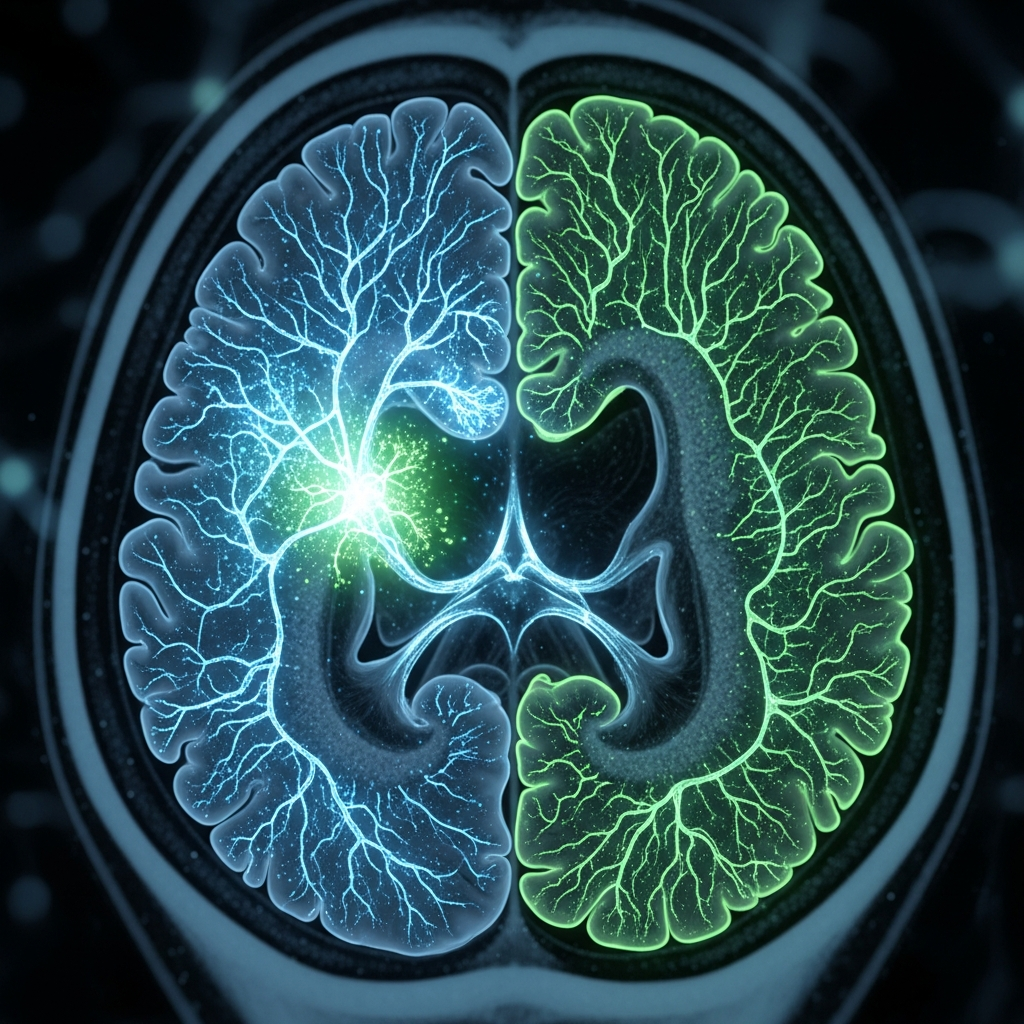
This idea of an inherent alertness during sleep isn't just theory. There is indeed evidence that on the first night in an unfamiliar environment, the left brain maintains a higher state of alertness, which is known as the 'first-night effect'. It’s a fascinating quirk of our neurology, almost as if one half of our brain is standing guard while the other attempts to rest. This phenomenon is a clear indication that our brain doesn't just switch off; a part of it remains actively scanning for potential dangers, even when we're dreaming about falling or being chased. This partial wakefulness is similar to what scientists observe in various species.
Marine mammals like dolphins and some birds exhibit what's called unihemispheric sleep, where one half of their brain sleeps while the other remains awake and alert. This allows them to stay vigilant for predators or continue swimming and flying. While we don't swim in our sleep, this shared biological strategy underscores the deep evolutionary roots of our own 'first-night effect' and our general sleep vigilance.
It speaks volumes about how deeply ingrained these self-preservation instincts are, even in the safety of our own homes. The amygdala, our brain's emotional core, also plays a significant role in dreams and threat perception during sleep, further highlighting this complex interplay.
Ancient Needs vs. Modern Realities
Our world has changed dramatically, but our brain's wiring often lags behind. The survival instincts that protected our ancestors can sometimes hinder our sleep quality today. Here's a quick look at how things have shifted:
| Aspect | Ancient Humans (Natural Environment) | Modern Humans (Controlled Settings) |
|---|---|---|
| Primary Threats | Predators, rival tribes, extreme weather, unfamiliar sounds. | Traffic noise, partner's snoring, news anxiety, perceived security threats (though often minimal). |
| Sleep Environment | Caves, open ground, temporary shelters; often varied and exposed. | Climate-controlled rooms, soft beds, locked doors; highly consistent and secure. |
| Vigilance Function | Directly life-saving; immediate response to physical danger. | Can be overactive; disrupts restorative sleep with non-critical 'threats.' |
| Outcome of Alertness | Survival, protection of offspring. | Sleep fragmentation, daytime fatigue, chronic stress for about 17% of individuals. |
It's clear our instincts, while still present, are often misfiring in our relatively safe modern environments, turning minor disturbances into major sleep hurdles. You can learn more about how our brains react to perceived threats even during rest from sources like Happiful, and there are many fascinating discussions on this topic online.
Reclaiming Peaceful Nights
So, what can we do when our ancient brain decides our comfortable bedroom is a potential threat zone? It's about teaching our primitive brain that it's safe to truly relax. This isn't always easy, but a few things can help:
- Cultivate a Sanctuary: Make your bedroom a place of absolute calm. Think dark, quiet, and cool. Minimize anything that triggers an 'alert' response.
- Evening Wind-Down Rituals: Implement a consistent routine that signals to your body and mind that it's time to switch off. This could be reading, a warm bath, or gentle stretching.
- Mindful Breathing: Before sleep, focus on slow, deep breaths. This activates your parasympathetic nervous system, telling your body it's safe to rest. Counting my breaths to about 43% of my typical breathing rate helps me.
- Address the 'First-Night Effect': If you're often in new places, acknowledge that initial discomfort. Understanding this natural response, as explored by Big Think, can help you manage expectations and even mitigate its impact over time.
Ultimately, understanding that our sleep struggles often stem from deep-seated survival instincts can be incredibly empowering. It's not just 'bad sleep' – it's our evolutionary past playing out in our present. With a bit of awareness and some intentional practice, we can help our brains find that elusive state of genuine rest, even if my partner's snoring still keeps a fraction of my brain on high alert.