
Evolutionary Reason for Recurring Nightmares: A Personal Perspective on Threat and Stress
Chasing Shadows: The Unsettling Rhythm of My Nightmares
For a period of time, I often had the same dream—being chased by something. It was a recurring theme, a familiar unsettling current beneath the surface of my sleep, making me question why our minds conjure such distress night after night. Could there be an ancient purpose to these unsettling visions? What exactly is the evolutionary reason for recurring nightmares?
This wasn't just a fleeting disturbance. Although the dream never had an end and I wouldn't actually die, this greatly affected my sleep quality. Waking up wasn't restful; it was more like being pulled from a low-grade alarm state, leaving me feeling groggy and on edge for hours. The scenarios were never quite the same, always shifting just enough to keep me guessing. Although the scenes and the things chasing me varied, sometimes I was chased by wild beasts in a jungle, sometimes by an unknown creature in a maze, and the funniest time was when I was chased by a character named Hisoka from the anime 'Hunter x Hunter'. It's strange how even a fictional antagonist from a show could become a source of genuine fear in a dream state.
Ancient Instinct or Modern Strain? Deciphering the ‘Why’
Experts have long tried to decipher the meaning behind these nocturnal dramas. One prominent idea suggests that some theories suggest that this is a defense mechanism evolved by our ancestors. It's a survival simulation exercise for the brain, allowing people to practice facing threats in a safe environment, thereby enhancing alertness and responsiveness when awake. This 'threat simulation theory,' as it's known, posits that dreaming of danger hones our fight-or-flight responses, a kind of mental rehearsal for real-world perils. It’s a compelling thought, really, imagining our brains are just running drills while we’re unconscious.
But I don't think so, after all, in relatively safe modern society, you rarely get chased, yet such dreams still persist. It seems a bit outdated to me, given that most of us aren't outrunning saber-toothed tigers anymore. I am more inclined towards another explanation—dreaming of being chased is because your current life stress is too high. This feels much more accurate from my own experience. After all, when I was traveling, I didn't have any dreams of being chased. My mind was clear, my responsibilities minimal, and my sleep was genuinely restorative. It made a significant difference to my perspective on the purpose of dreams.
The Brain’s Role: Orchestrating Fear in Sleep
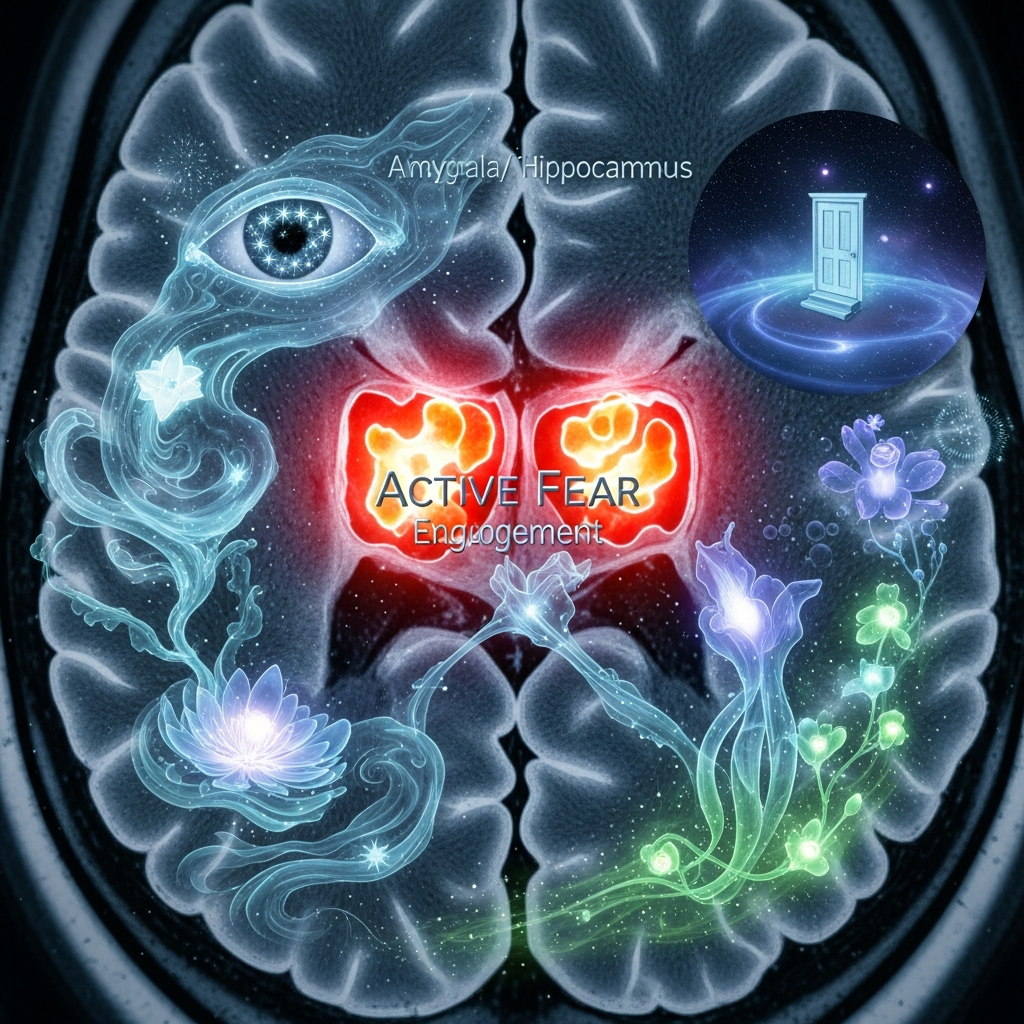
Whether it’s ancient instinct or modern anxiety, the brain's role in creating these vivid, often terrifying scenarios is complex. Our brain's emotional centers, especially the amygdala, are highly active during REM sleep, the stage where most intense dreaming occurs. This region, often associated with fear and threat processing, lights up, manufacturing scenarios that feel intensely real. It's no wonder, then, that we might feel genuinely distressed when our primal fear responses are triggered in a dream. Understanding the amygdala's role offers a peek into the neurobiology of these unsettling experiences, suggesting that the brain isn't just passively receiving information, but actively orchestrating these internal dramas, regardless of their 'purpose.' Research supports this view, showing distinct neural activity patterns.
Comparing Theories: Evolution Versus Everyday Pressure
When we pit these ideas against each other—the survival simulation versus the stress response—it highlights how much we still don't fully grasp about our own minds. The contrast isn't always clear-cut, as both could theoretically contribute to the persistence of nightmares.
| Theory | Primary Mechanism | Relevance to Modern Life |
|---|---|---|
| Threat Simulation Theory | Prepares brain for real-world dangers by rehearsing fight-or-flight scenarios. | Less direct relevance to physical threats, but perhaps mental "threats" like public speaking. |
| Stress/Emotion Processing | Brain processes unresolved daytime anxieties, trauma, or emotional overload. | Highly relevant; modern stressors are predominantly psychological. |
| Random Neural Activity | Dreams are essentially byproduct of neural cleanup or memory consolidation, without inherent meaning. | Suggests a more passive, less adaptive function of nightmares. |
It's clear that the 'why' behind bad dreams isn't a simple answer, with researchers offering various perspectives. Sometimes, the raw data of an intensely stressful day simply bubbles up. Other times, it might be more about our mind working through common dream symbols, like falling or being pursued, which often point to feelings of being out of control or overwhelmed.
Nightmares in the New Millennium: A Shifting Purpose
If we lean into the idea that stress is a major driver, then the modern iteration of the 'evolutionary reason for recurring nightmares' shifts significantly. Our threats aren't typically physical predators; they are deadlines, financial worries, relationship conflicts, and the relentless hum of digital information. The brain, still wired to react to threat, translates this psychological pressure into the primal imagery of being chased or trapped. It’s like our ancient hardware is running very modern software, but sometimes it throws up an error message in a language we don't quite understand.
Looking ahead, this perspective might change how we approach dream interpretation or even therapeutic interventions. Instead of always looking for deep, symbolic meanings tied to primordial fears, perhaps we should first ask: 'What is genuinely stressing me out right now?' Could future therapies for persistent nightmares involve targeted stress reduction techniques, more directly addressing the root cause rather than just the dream's content? Some mental health professionals are already exploring these connections, acknowledging that our daily grind plays a considerable role. The future of understanding nightmares might lie in acknowledging our current reality, not just our distant past. Even online discussions often circle back to personal stress as a primary culprit.
Beyond the Chase: Finding Rest
My experiences with being pursued in dreams, from wild beasts to anime characters, have certainly given me pause. While the concept of nightmares as an evolutionary preparation tool for our ancestors is intriguing, my own moments of relief from these dreams came when my life was less hectic, not when I suddenly became better at evading imaginary threats. It makes me wonder about the true elasticity of the human mind, how it both holds onto ancient wiring and adapts to the nuanced, often unseen pressures of our contemporary existence. Perhaps the real skill we're developing through these restless nights isn't outrunning a monster, but rather learning to identify and manage the silent, gnawing anxieties that chase us through our waking lives, too.