cultural significance dreams
Unmasking the Shadow: The Psychological Reason for Sleep Paralysis Demons
An Archive of Shadows: Deconstructing the Intruder in the Room
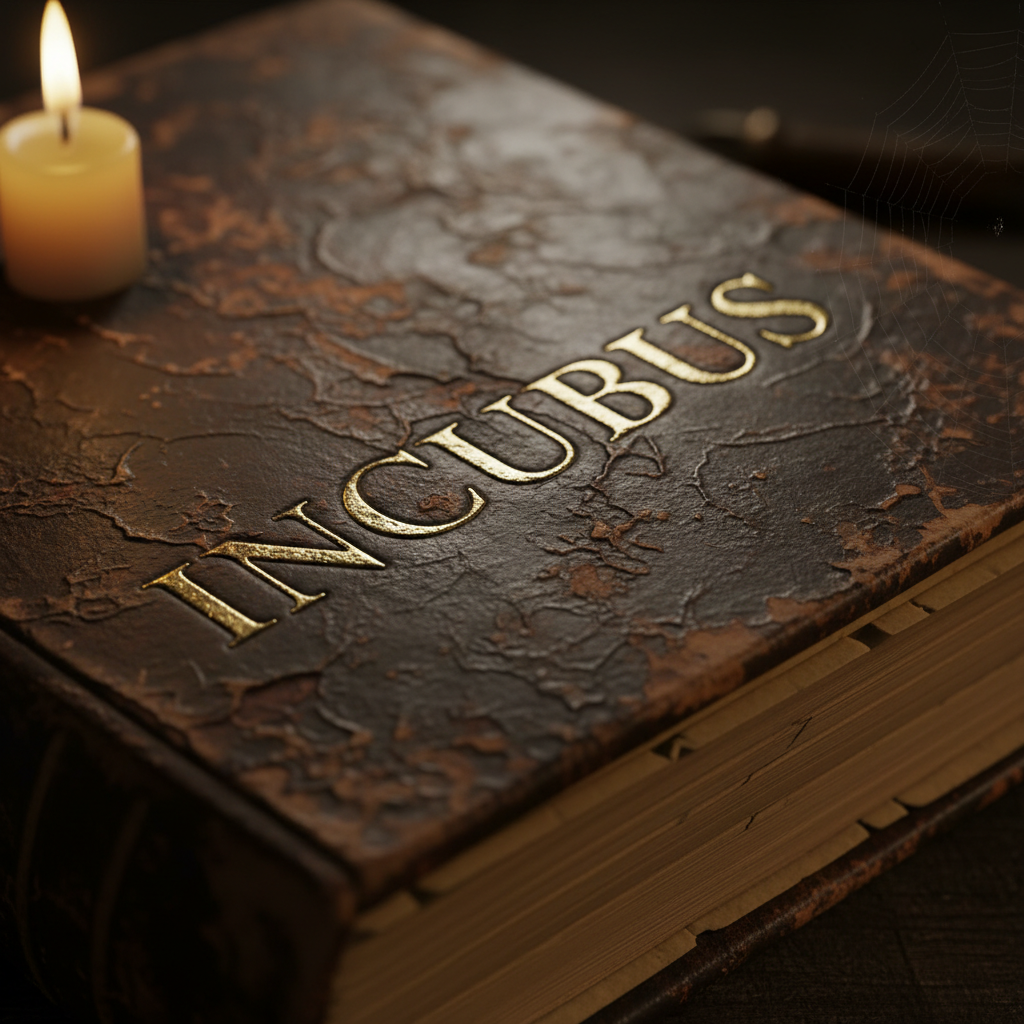
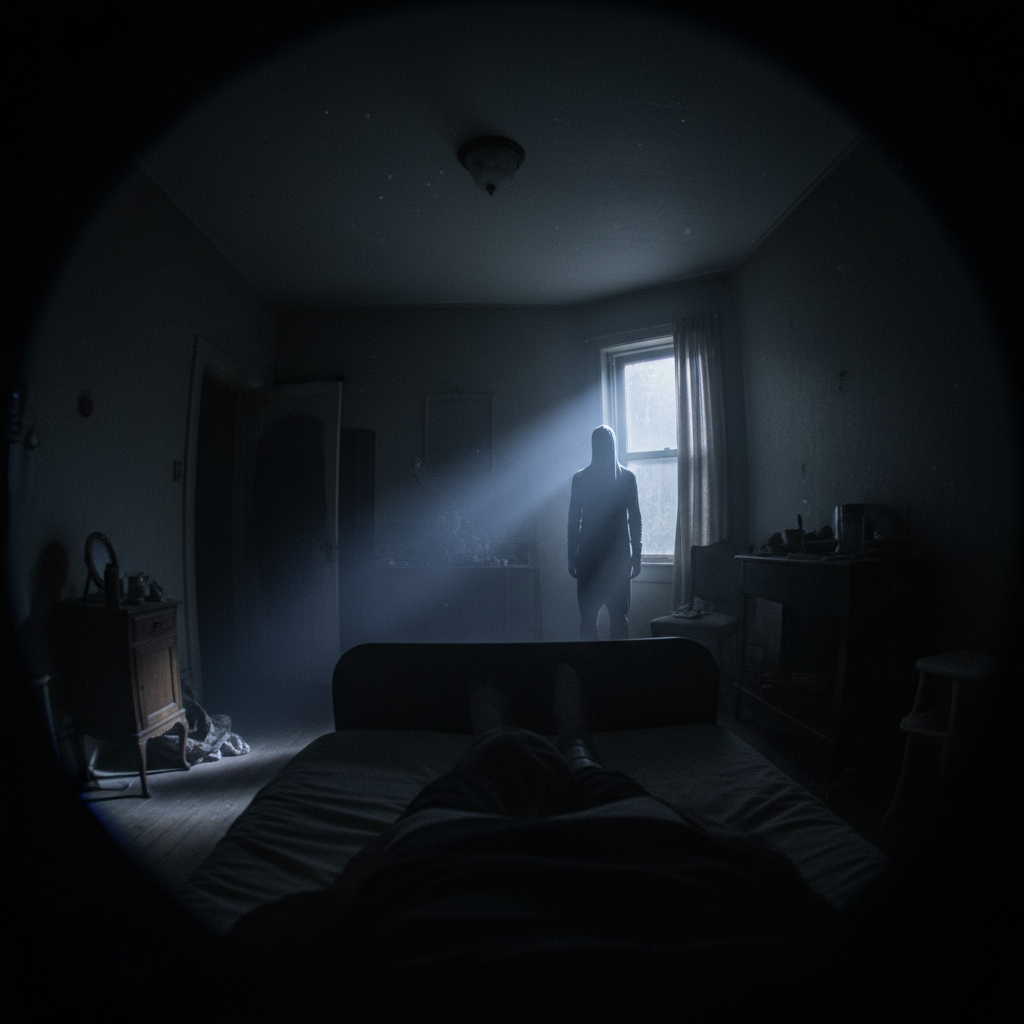
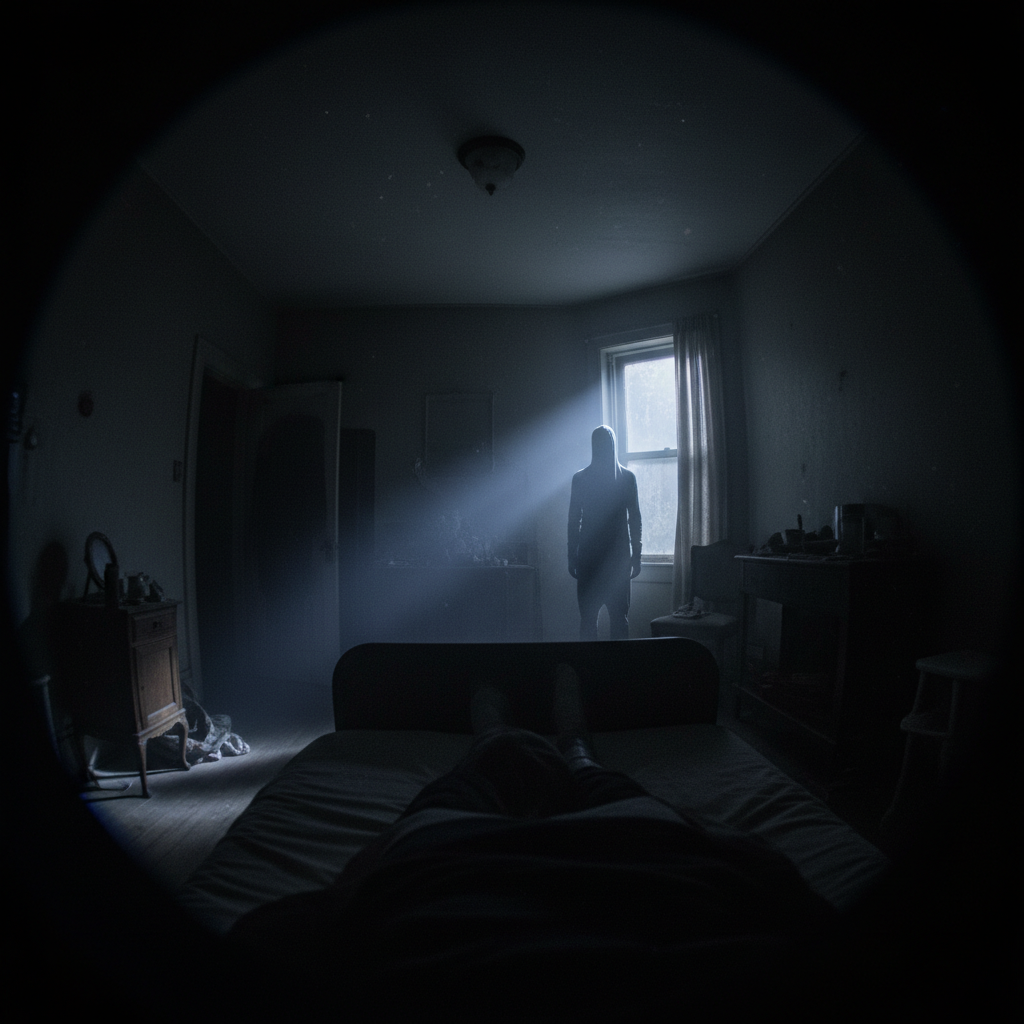
It has been known by many names across millennia: the *Incubus* in Roman lore, the *Old Hag* in Newfoundland, the *Kanashibari* in Japan. It is a presence, an intruder felt more than seen, pressing down on the chest in the liminal space between sleep and wakefulness. This entity, now commonly termed the 'sleep paralysis demon,' is not a myth dredged from ancient texts but a recurring feature of the human experience, a piece of living folklore generated by the architecture of our own minds. Understanding the psychological reason for sleep paralysis demons requires us to become investigators, peeling back layers of cultural fear to reveal a fascinating neurological glitch. This is not a study of the supernatural, but of the brain's terrifyingly creative process when left in the dark. As we delve into this phenomenon, we consult the archives of human consciousness documented in The Master Encyclopedia of Dreams, which catalogs the symbols our minds produce under duress. To truly unmask this shadow, we must follow the process by which the brain constructs it, step-by-step.
A Step-by-Step Blueprint for a Brain-Made Demon
The creation of the sleep paralysis demon is not a random event but a predictable, sequential failure of the brain's wake-up protocol. By dissecting this process, we can dismantle the fear associated with it. This is a forensic examination of a cognitive event, a guide to understanding how your own mind becomes both the victim and the perpetrator.
-
Step 1: Recognize the Biological Blueprint of Paralysis
The foundation of the experience is a physiological state known as REM atonia. During Rapid Eye Movement (REM) sleep, the stage where most vivid dreaming occurs, your brain releases neurotransmitters (GABA and glycine) that essentially switch off the voluntary muscles. This is a protective mechanism; it prevents you from physically acting out your dreams. Sleep paralysis occurs when your conscious mind awakens *before* the brain has lifted this muscular blockade. You are mentally alert but physically trapped in a sleeping body. This conflict—a conscious mind in a paralyzed vessel—is the fertile ground upon which the entire horrifying experience is built. It is the initial paradox that the brain must desperately try to resolve.
-
Step 2: Identify the Perceptual Void and the Brain's Narrative Imperative
With your body offline, your brain is starved of its usual sensory input. You cannot move, you cannot speak, and your perception of the room is often distorted by the lingering dream state. The brain, a relentless pattern-making machine, abhors a vacuum. It confronts a set of contradictory data: 'I am awake' (consciousness) versus 'I cannot move or scream' (physical reality). To reconcile this, it generates a narrative. The most parsimonious explanation for being held down is that *something* is holding you down. This is not a hallucination in the traditional sense; it's a hypothesis generated by the brain's threat-detection circuits to explain a real, physical sensation of immobility and often, a feeling of pressure on the chest (hypnagogic hallucination).
Pro Tip: During an episode, instead of fighting the paralysis, focus on small movements. Try wiggling a single toe or finger. This can sometimes be enough to send a signal that bypasses the atonia and helps 'reboot' the connection between brain and body, short-circuiting the hallucination.
-
Step 3: Map the Brain's Primal Threat Response
The moment the brain posits an external agent as the cause of paralysis, the amygdala—the brain's fear center—is hyper-activated. This is explored in depth when analyzing the role of amygdala in dreams. In a normal waking state, your prefrontal cortex would temper this fear with logic ('There is no one in the room'). But in the hypnagogic state of sleep paralysis, the logical centers are still partially dormant while the emotional, primal centers are on high alert. The result is pure, unadulterated terror. The feeling of dread, the sense of an evil presence, and the auditory hallucinations (buzzing, whispers, footsteps) are all products of this overactive fear circuit. The 'demon' is the personification of this intense fear, a face given to an abstract neurological state.
-
Step 4: Acknowledge the Cultural Overlay
What form does the demon take? This is where culture and personal experience provide the script. An individual's brain will project a figure consistent with their own internal library of horrors. In the Middle Ages, it was an incubus or succubus. In modern times, it may be a shadowy figure, a grey alien, or an intruder from a horror film. Research from clinical psychologists like J. Allan Cheyne suggests that these experiences are remarkably consistent across cultures, differing only in their narrative details. The underlying sensations—pressure, helplessness, and a malevolent presence—are universal products of the neurobiology. Culture simply provides the costume for the phantom. The experience feels so terrifyingly authentic because it taps into the deep, shared archives of human fear, making you wonder why do my dreams feel so real and exhausting even when they bleed into reality.
Pro Tip: Re-framing the experience is a powerful cognitive tool. Before sleep, remind yourself that if it happens, it is a biological event, not a supernatural attack. This mental preparation can reduce the panic response, allowing you to observe the phenomenon with more detachment and less terror.
The Evidence File: Stress, Trauma, and the Shadow's Invitation
The link between psychological state and the frequency of sleep paralysis is not speculative; it is supported by a significant body of clinical evidence. The 'demon' is an opportunistic entity, appearing more often when the mind is already under siege. A 2018 meta-analysis published in *Sleep Medicine Reviews* found strong correlations between sleep paralysis and psychiatric conditions, particularly Post-Traumatic Stress Disorder (PTSD) and panic disorder. Why? These conditions prime the brain for threat. Individuals with PTSD, for example, have a hyper-vigilant amygdala, constantly scanning for danger. This heightened state of alert makes them more susceptible to the brain misinterpreting the ambiguity of REM atonia as an imminent threat. According to a study in the *Journal of Clinical Sleep Medicine*, individuals with diagnosed anxiety disorders report not only more frequent episodes but also more emotionally distressing and bizarre hallucinations during them. The presence of a 'sleep demon' is far more common among those whose daily lives are already colored by anxiety. The psychological distress acts as a catalyst, pouring fuel on the fire of this neurological misfire. It's a feedback loop: stress disrupts sleep architecture, making sleep paralysis more likely, and the terrifying experience of sleep paralysis, in turn, amplifies daytime anxiety. The entire process is a stark illustration of the neurobiology of dreaming and emotional processing gone awry.
Troubleshooting the Night Terrors: Common Errors in Interpretation
When confronted with such a viscerally real experience, the mind can fall into several interpretive traps. Deconstructing these common errors is the final step in neutralizing the demon's power.
- Error: "The experience felt too real to be a hallucination."
Resolution: The 'reality' of the experience is a feature, not a bug. The brain is not just *imagining* a presence; it is generating a sensory experience to explain a real physical state (paralysis and chest pressure). The fear you feel is real because your amygdala is genuinely activated. The sense of presence is real because your brain is projecting a cause for the sensations. The phenomenon's power lies in its ability to hijack real neurological and physiological processes. - Error: "It must be a spiritual or supernatural attack."
Resolution: While this interpretation has been the default for centuries, it lacks explanatory power when faced with the evidence. The phenomenon can be reliably induced in sleep labs by disrupting sleep cycles, and it is strongly correlated with predictable triggers like stress, sleep deprivation, and certain medications. The scientific model explains *why* it happens, *how* it feels real, and *why* it's more common in certain individuals. The supernatural model only describes the experience without explaining its mechanism. - Error: "I am powerless to stop it."
Resolution: This is the most damaging misconception. Understanding the psychological and biological triggers is the first step toward empowerment. Improving sleep hygiene, managing stress and anxiety through therapy or mindfulness, and avoiding sleeping on your back (which is correlated with higher incidence) can significantly reduce the frequency of episodes. Knowledge transforms the experience from a terrifying assault into a fascinating, albeit unsettling, neurological event. You are not a victim of a demon; you are an observer of a complex brain state.