Beyond the Dictionary: A Jungian Guide to Dream Symbols and the Collective Unconscious
Beyond the Dictionary: A Jungian Guide to Dream Symbols and the Collective Unconscious
The Living Language of the Psyche: Beyond Fixed Definitions
The search for a 'Jungian dream analysis symbols list' is a common starting point for those venturing into the depths of their own psyche. However, this pursuit rests on a fundamental misunderstanding of Carl Jung's approach. For Jung, a dream symbol is not a static sign with a one-to-one equivalent, like a cipher in a code. Instead, it is a living, dynamic entity—the best possible expression of something not yet consciously known. Symbols are the natural language of the unconscious, serving as a vital bridge between the limited ego and the vast, primordial repository of human experience Jung termed the collective unconscious. This ancestral layer of the psyche contains the archetypes: universal, inherited psychic structures that form the blueprints for our most profound experiences. These include the Persona (our social mask), the Anima/Animus (our inner masculine/feminine), and the profound meaning of shadow in dreams jung, which represents our repressed, unacknowledged aspects.
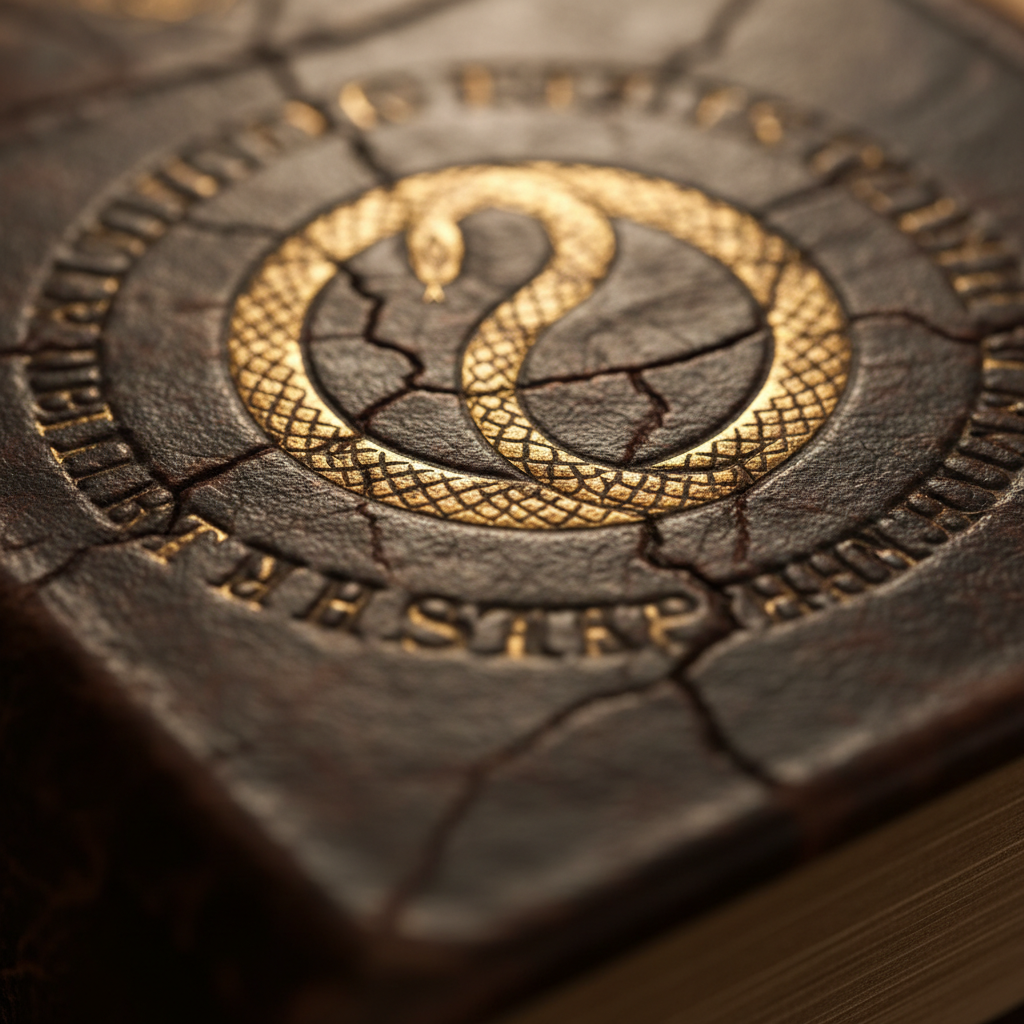
Unlike a simple dictionary, which offers definitive answers, Jungian analysis treats a symbol as a starting point for a dialogue. The ultimate goal is not merely to translate a dream but to integrate its message into conscious awareness, a process central to what Jung called 'individuation'—the journey of becoming a whole, integrated Self. A symbol's meaning is therefore deeply personal and contextual, colored by the dreamer's unique life experiences, yet it simultaneously resonates with the universal patterns of the collective unconscious. To treat an image of a snake solely as 'deceit' or 'healing' is to strip it of its immense psychic energy and potential. It might be one of those, both, or something entirely different, depending on the dream's narrative and the dreamer's personal associations. The true work lies in engaging with this ambiguity, allowing the symbol to reveal its multifaceted nature.
From Dream Journal to Dialogue: A Practical Guide to Interpretation
Engaging with Jungian dreamwork is less about finding quick answers and more about cultivating a relationship with the unconscious. The foundational practice is meticulous dream journaling. Upon waking, record the dream in as much detail as possible, paying close attention not just to the narrative and imagery, but also to the emotional tone—the *feeling* of the dream is a primary clue to its significance. Once the dream is captured, the interpretive process begins, not with a dictionary, but with a method Jung called 'amplification.' This is distinct from Freudian free association, which might lead far afield from the original dream image. Amplification involves staying with the symbol and enriching its meaning by weaving together two distinct threads: personal and collective associations.
First, explore your personal connections. If you dream of a dog, what are your individual experiences with dogs? Fear? Companionship? A specific childhood pet? These personal links ground the symbol in your own life. Second, you broaden the context to the collective, or archetypal, level. What do dogs represent in mythology (e.g., Anubis, Cerberus), folklore, religion, and art? This exploration reveals the symbol's universal dimensions. This dual approach prevents interpretation from becoming purely subjective or overly abstract. It honors both the unique individual and the shared human experience. As Jungian analyst Marie-Louise von Franz noted, the process is about discovering the symbol's objective meaning within the subjective context of the dreamer.
"The symbol in the dream is a parallel to the dreamer's conscious situation… it is as if the dream were continuing the dreamer's conscious train of thought and were supplying the context, which is invisible to the dreamer in his conscious state." - Marie-Louise von Franz, 'The Way of the Dream' (1988)
By holding both the personal and collective meanings in mind, a richer, more nuanced understanding emerges. This is not a passive process of decoding but an active, creative engagement with the psyche's imagery. For those looking to deepen their understanding of this methodology, a comprehensive guide to Jungian methods can provide further structural support for this introspective work.
Two Titans of the Mind: Contrasting Jungian and Freudian Symbolism
The distinction between Jungian and Freudian approaches to dream symbols is not merely academic; it represents a fundamental schism in understanding the human psyche. For Sigmund Freud, the dream was primarily a mechanism for wish fulfillment, a heavily censored expression of repressed desires, most often rooted in infantile sexuality. A dream symbol, in the Freudian view, is essentially a *sign*—a disguise for a known but unacceptable thought or impulse. The manifest content (what you remember dreaming) hides the latent content (the underlying wish). Therefore, Freudian interpretation is a reductive process: it seeks to uncover the personal, biographical root of the symbol, often tracing it back to unresolved childhood conflicts. The presence of repressed emotions appearing in dreams is a cornerstone of this model, with the dream acting as a safety valve for the psyche.
Carl Jung, once Freud's protégé, broke away precisely on this point. He proposed a constructive or synthetic approach. For Jung, a symbol is not a disguise for something already known; it is the best possible image for something unknown that is trying to emerge into consciousness. Dreams are not just rehashing the past; they are prospective, pointing toward future possibilities and the path of psychological development. While Jung acknowledged the personal layer of the unconscious, his revolutionary contribution was the concept of the collective unconscious, which makes the meaning of symbols trans-personal. A dream of being swept away by a flood might, for a Freudian, symbolize being overwhelmed by repressed libido. For a Jungian, while acknowledging personal feelings of being overwhelmed, it would also evoke the archetypal power of the Great Mother, chaos, dissolution, and the potential for new creation that follows destruction—themes found in deluge myths across the globe.
"Whereas Freud's interpretation of symbols is retrospective, in the sense that it traces them back to primitive instinctual processes, Jung's interpretation is prospective, in that it sees the symbol as an attempt to point the way forward." - Anthony Storr, 'The Essential Jung' (1983)
This difference is crucial: a Freudian symbol list would link images to a relatively fixed set of repressed urges. A Jungian approach recognizes that symbols are multivalent, drawing their power from a deep well of common archetypal symbols whose specific meaning can only be unlocked within the context of the individual's life and the dream's unique narrative.
Archetypes in Action: Case Studies in Dream Analysis
To understand the dynamic nature of Jungian symbols, concrete examples are invaluable. Consider the recurring dream motif of a house. In Jungian thought, the house is a classic symbol for the dreamer's psyche. The state of the house reflects the state of the self. A dream of discovering a new, unknown room might suggest the emergence of a new personality aspect or a hidden talent. Conversely, a crumbling foundation could point to a threat to one's core beliefs or psychological stability. The different levels are also significant: the attic often relates to the mind and spiritual aspirations, while the basement or cellar connects to the unconscious, instincts, and that which has been buried or repressed.
Animal symbols offer another potent example of multivalence. A dream featuring a serpent could be interpreted reductively as a phallic symbol in a Freudian context. In a Jungian framework, its meaning is far broader. Depending on the dream's context, the snake could represent danger, temptation (the serpent in Eden), or profound healing and transformation (the Rod of Asclepius in medicine, the Ouroboros of alchemy). The key is the dreamer's interaction with the snake: are they terrified? Fascinated? Do they fight it or befriend it? The answer reveals the dreamer's current relationship with the potent, instinctual energy the snake represents.
Finally, consider the common anxiety dream of being pursued. While the immediate feeling is fear, a Jungian analysis asks, 'What is doing the chasing?' Very often, the pursuer is a shadowy figure. This directly points to an encounter with the Shadow archetype—those parts of ourselves we deny and project onto others. The instinctive reaction is to run, but the dream repeatedly stages this confrontation because the path to wholeness requires turning to face this figure and integrating its qualities. This is a clear example of the dream's compensatory and prospective function; it doesn't just reflect a fear, it presents a necessary psychological task. The question why do humans dream of being chased finds a powerful answer here: we are often pursued by the parts of ourselves we have refused to acknowledge.
Key Takeaways
- Symbols are Dynamic, Not Static: A Jungian approach rejects fixed, dictionary-style meanings. Dream symbols are living expressions of the unconscious, whose meaning is co-created by personal experience and collective archetypes.
- Interpretation is Amplification: The primary method is not free association but amplification—enriching a symbol by connecting it to both personal memories and universal myths, art, and folklore.
- Focus on Wholeness (Individuation): Unlike the Freudian focus on repressed personal history, Jungian analysis is prospective. It views dreams as a guide for future psychological growth and integration of the whole personality.
- The Dreamer is the Final Authority: While an analyst or guide can help, the ultimate validation of an interpretation lies with the dreamer. The meaning that 'clicks' and brings a sense of insight and energy is the one that is psychically true for that individual at that time.